
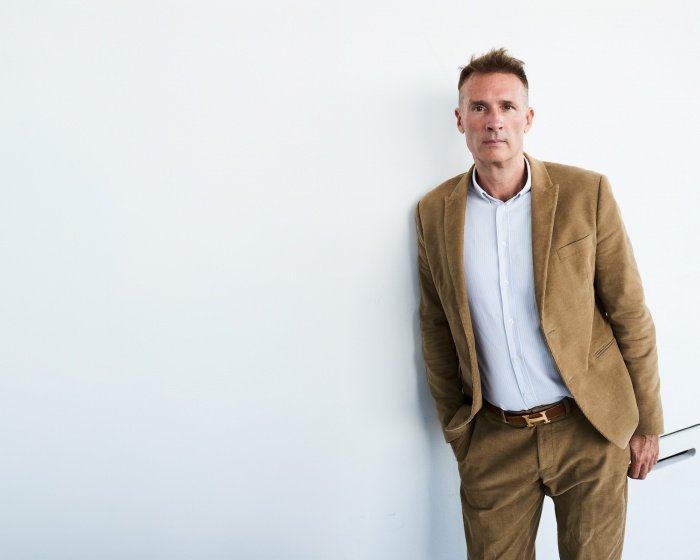

Jens Martin Skibsted, Founder, Biomega
Jens Martin Skibsted is an award-winning designer, entrepreneur, creator and design thinker whose work has helped reshape the dialog round city mobility, sustainability and the position of design in society. Greatest often called the founding father of Biomega and for his pioneering strategy to design-led metropolis bikes, Skibsted has collaborated with main inventive figures together with Marc Newson, Ross Lovegrove, Bjarke Ingels and Lars Larsen. His work sits within the collections of main establishments together with MoMA, SFMoMA and Designmuseum Danmark, whereas his wider profession spans mobility, consultancy, publishing, international coverage boards and design philosophy. As Biomega relaunches in the US with BER, Skibsted displays on the concepts behind his work, the way forward for the e-bike, and why magnificence, simplicity and want could also be among the many strongest instruments for transferring individuals out of vehicles.
BTN: You describe your self throughout a number of identities: designer, entrepreneur, creator, thinker and founder. Which of these feels most central to who you’re right now?
I’m generally known as a design thinker, which I like. Partly as a result of the scope suits what I do higher, and partly as a result of there’s not a broad consensus on what design philosophy is. I contact on it in my e-book Expand: Stretching the Future by Design. Philosophy offers me the framework to suppose larger about how design can create that means, sustainability and alter. Finally, it’s the concepts behind the work that drive me. Entrepreneurship is simply the way in which of enabling these concepts.
BTN: You may have moved between bikes, design consultancies, magazines, international boards and philosophy. What’s the thread that connects your whole work?
The thread is idea-driven innovation: discovering the underlying ideas that may remodel an trade, a behaviour, a coverage or a tradition. Whether or not it was turning city bikes into design statements with Biomega, difficult automotive tradition with the SIN electrical automobile, or exploring African design with Ogojiii, it has at all times been about asking: what’s the thought that may make this higher, not simply prettier, however extra significant?
I imagine nice design should serve past itself.
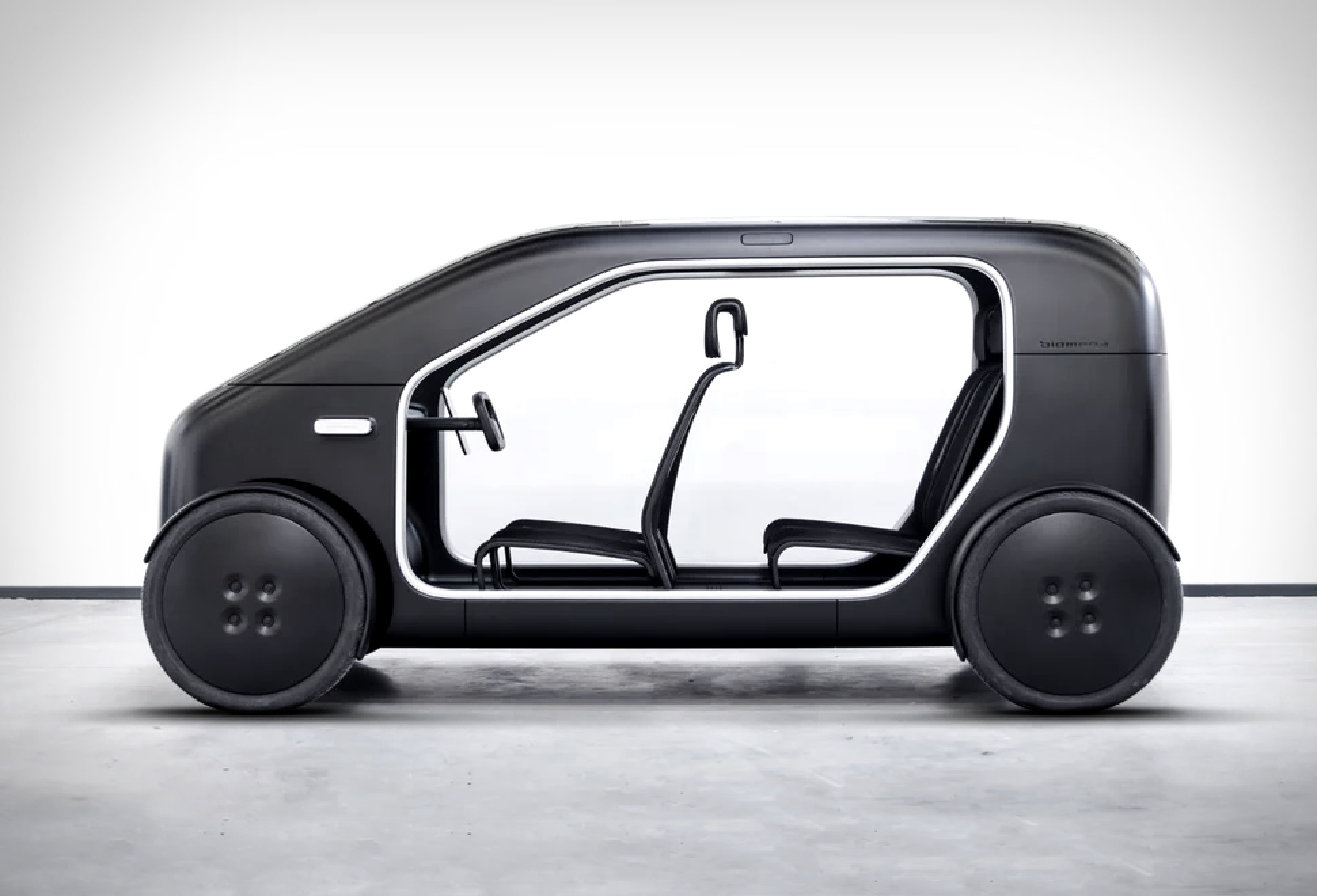 SIN electrical automobile
BTN: You may have usually been forward of the market. Is being early a power, a weak point, or just the value of doing authentic work?
Being early has been a power culturally, as a result of you may outline the class, as we did with Biomega and premium design-led city bikes. However commercially, it may be a weak point as a result of the market isn’t prepared, and you find yourself having to persuade an trade and educate customers.
And sure, it’s the worth of authentic work. It’s a must to tolerate being misunderstood till actuality catches up. The secret is being early with the fitting thought. With Biomega, we noticed that city bikes may very well be greater than sport or transportation. They may very well be a way of life assertion. That was a distinct segment different pioneers solely found years later.
BTN: If you start a brand new product, what do you search for first: a behavioural shift, a technological opening, a cultural stress, or a proper design alternative?
I believe the thought emerges when shifts in expertise, manufacturing, market and tradition converge. However there’s additionally a standard industrial design curiosity concerned: searching for new options. Cultural stress is an efficient option to describe it. It’s when a typology is ripe for transformation. The shape follows after.
With Biomega, the straightforward thought was that city bikes might grow to be fascinating design objects that appealed to individuals who usually drove vehicles, and thereby encourage them to journey bikes. But it surely additionally required city-adapted performance. It was about altering perceptions of what a motorbike may very well be, whereas additionally altering its precise operate.
BTN: Biomega discovered a distinct segment earlier than it was apparent: premium, design-led city bikes that had been neither racing machines nor purely sensible commuter instruments. What did you see out there that others missed?
I realised that city bikes had been forgotten as design objects. Everybody was centered on racing bikes, mountain bikes, or low-cost, purposeful commuters. However no model was treating the city bike as a cultural object that might compete with the automotive on standing, magnificence and performance.
We additionally noticed that cities corresponding to Copenhagen and Barcelona had enormous potential for bikes that had been sensible, mild and delightful, with urban-specific capabilities. Individuals would pay for design if it additionally improved their day by day lives. It was a brand new area of interest that mixed luxurious, sustainability and concrete way of life.
BTN: How do you distinguish between an actual market area of interest and a designer’s fantasy of a distinct segment?
An actual area of interest already exists in individuals’s behaviour; you simply need to see it. A designer’s fantasy is one thing you hope for.
With Biomega, I noticed that individuals in cities had been already beginning to cycle extra, however they lacked lovely and better-adapted bikes. That was an actual unmet want. The query is: is there already a behaviour we are able to amplify, or are we making an attempt to invent a brand new one?
BTN: Your work sits between operate, magnificence, tradition and enterprise. When designing a product, which comes first: the journey, the shape, the consumer behaviour, or the worldview?
There’s an concept that leads. The concept helps a worldview, however it’s materialised by means of a particular innovation.
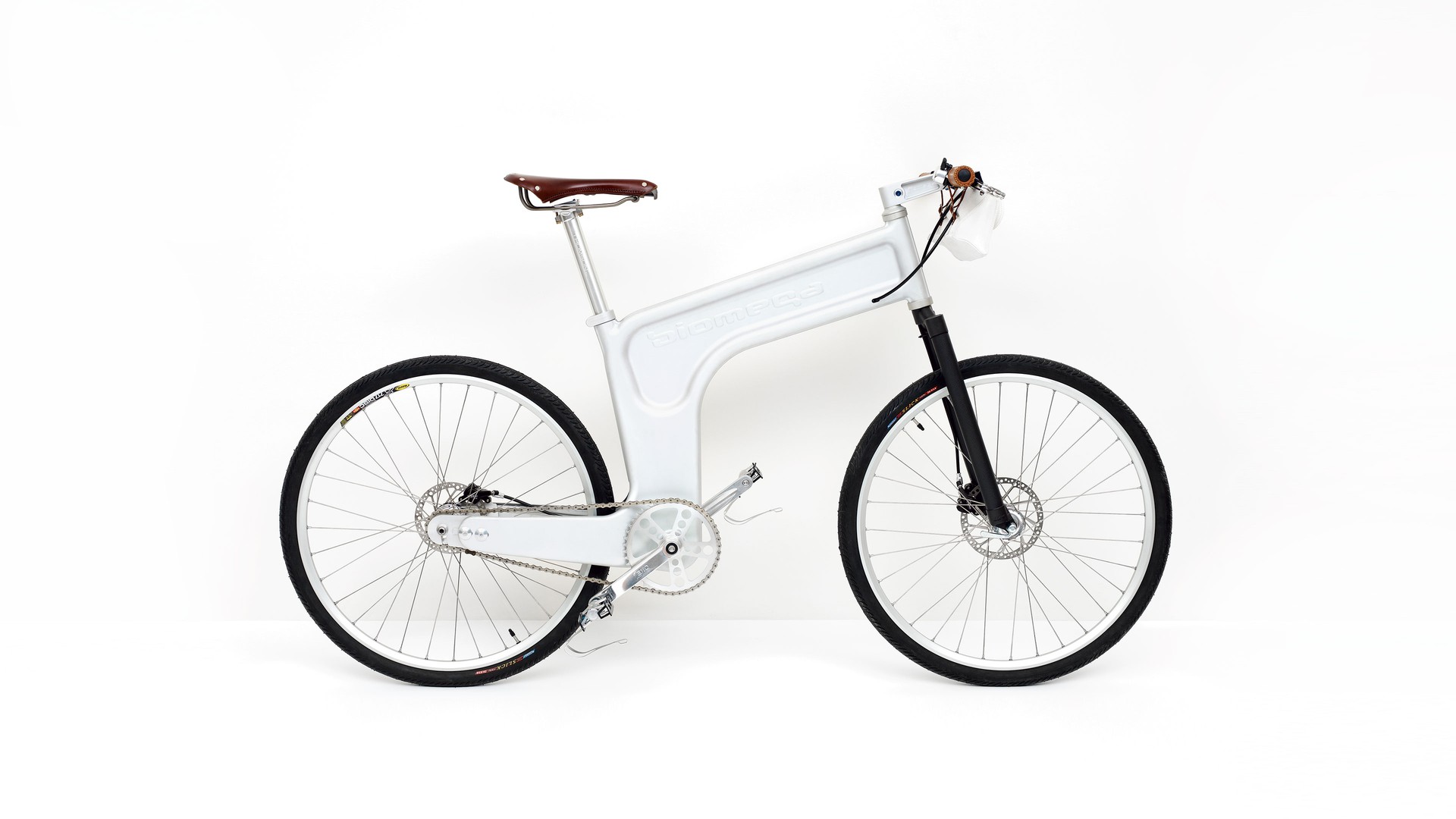 MN Bicycles by Marc Newson for Biomega
BTN: You beforehand partnered with a number of the world’s nice designers, together with Marc Newson and Ross Lovegrove. What did working with designers outdoors the standard bicycle trade educate you about innovation?
It taught me that design innovation usually occurs by breaking trade conventions, and that the most effective concepts usually come from combining worlds that don’t often meet.
Marc Newson and Ross Lovegrove didn’t suppose in “bike design” phrases. They thought in supplies, varieties and experiences. It pressured us to suppose outdoors the field.
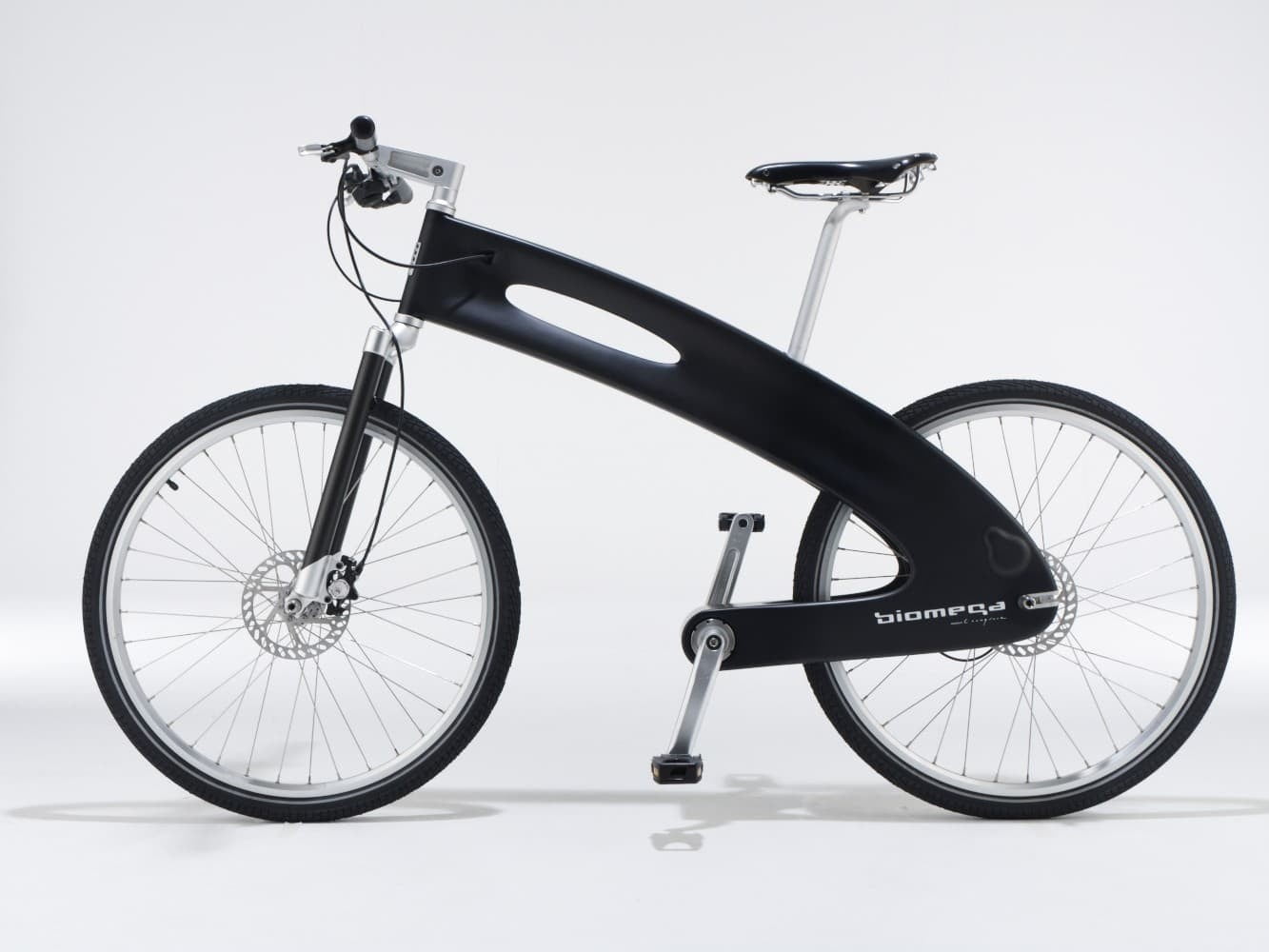 Biolove by Ross Lovegrove for Biomega
BTN: How did you entice and collaborate with world-class inventive individuals with out turning the product into a conceit collaboration?
It was about having a transparent thought, a transparent imaginative and prescient and a shared imaginative and prescient, after which permitting the designer to contribute their distinctive perspective with out letting anybody’s idiosyncrasies take over.
With KiBiSi, along with Bjarke Ingels and Lars Larsen, we had a shared design philosophy: idea-driven, not person-driven. Once I collaborated with exterior designers, it was at all times with the aim of strengthening an thought, not turning the product right into a signature piece.
BTN: Biomega achieved museum recognition and a cult following. What did that success educate you, and what did it not resolve commercially?
It taught me that good, old-school design can create a motion. Individuals can pay for one thing lovely, significant and completely different. The museum recognition confirmed that we had created one thing timeless.
However commercially, it didn’t resolve the problem of scale. Making area of interest merchandise for design lovers is one factor. Making them accessible and worthwhile for the mass market is one other problem solely. We realized that you simply want a enterprise mannequin that may scale the thought.
BTN: Wanting again on the first Biomega period, what mistake are you decided to not repeat on this relaunch?
The largest mistake was underestimating the significance of simplicity, distribution and enterprise infrastructure. We centered an excessive amount of on design and never sufficient on the right way to get the bikes to individuals. This time, with BER and the U.S. relaunch, we’ve got prioritised partnerships and logistics simply as extremely as design.
One other mistake was assuming the market would come to us as an alternative of actively educating it. This time, we all know we’ve got to inform the story of why BER is completely different and why individuals ought to select it.
BTN: BER is described as easy, timeless and chic. What was the primary non-negotiable design resolution behind it?
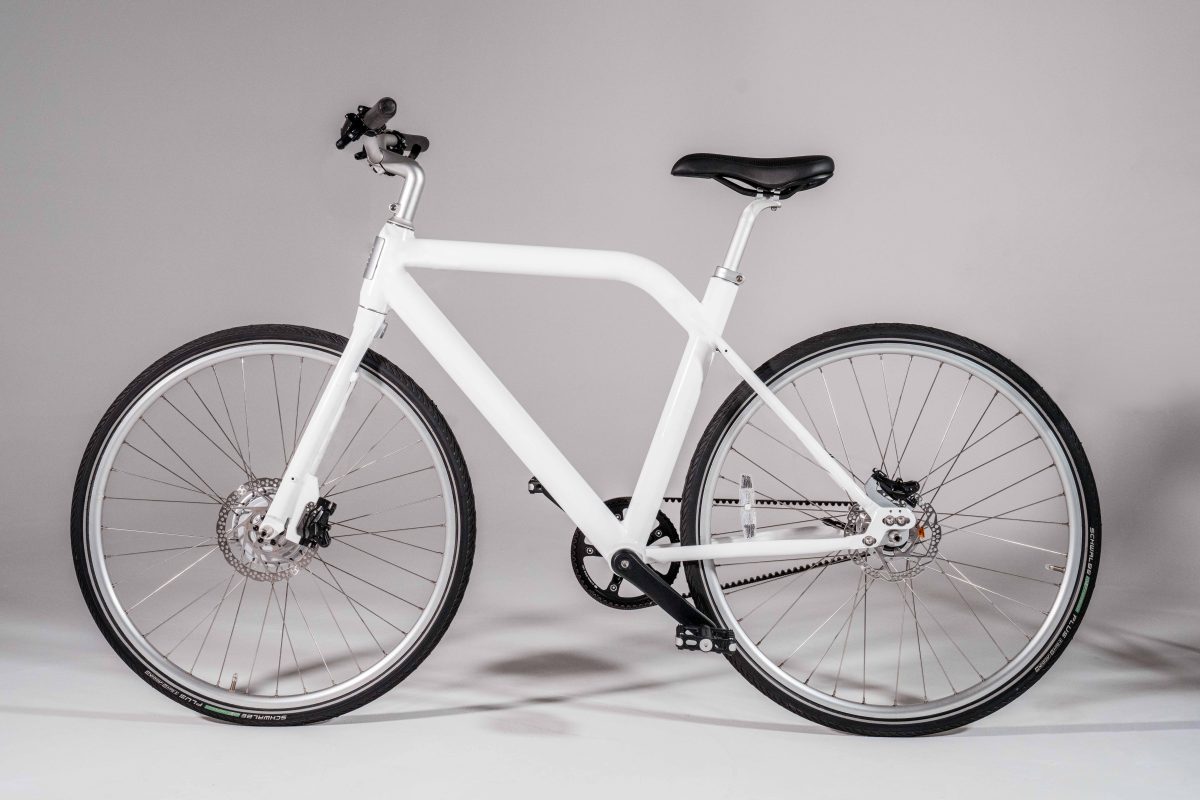
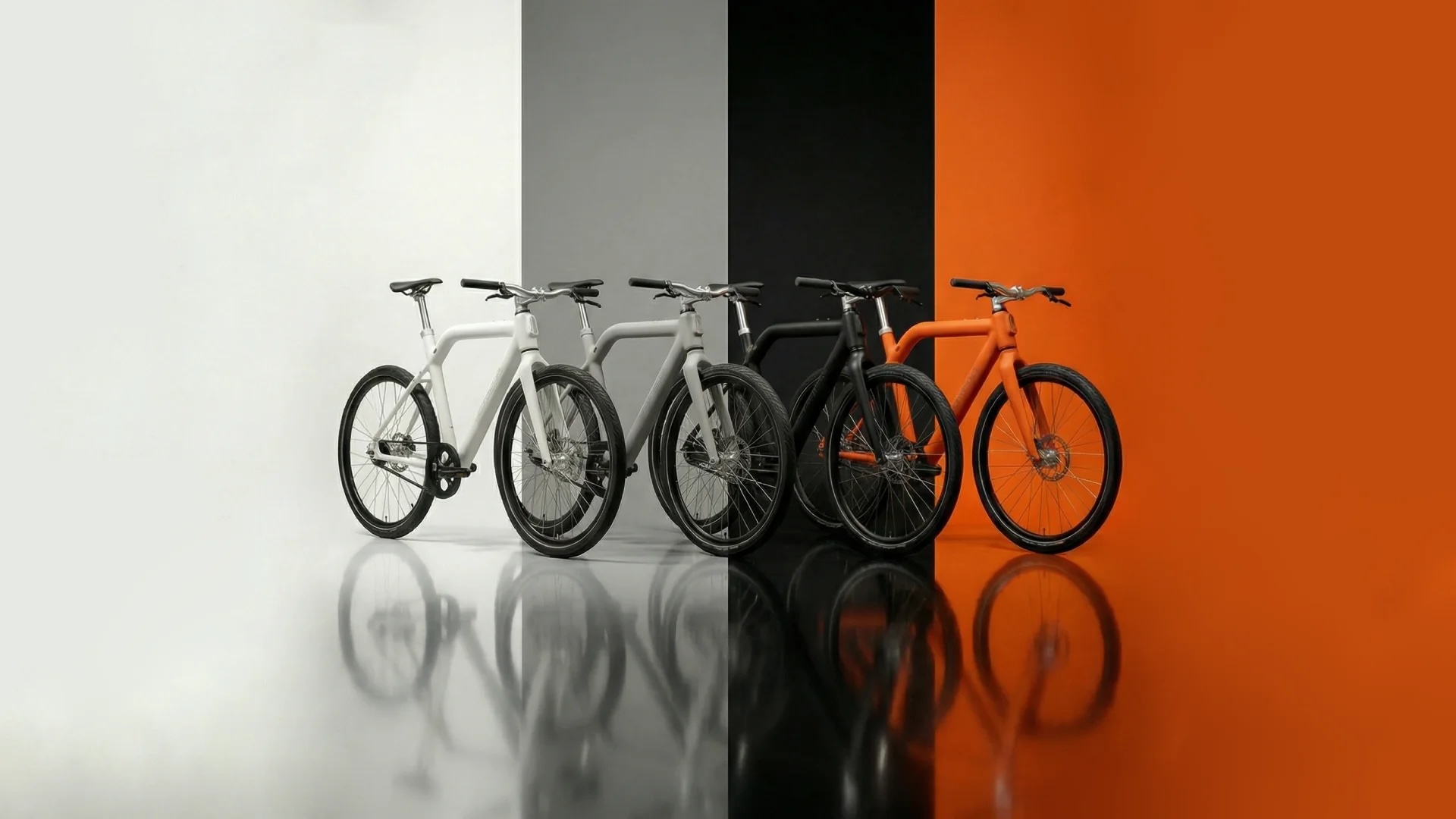
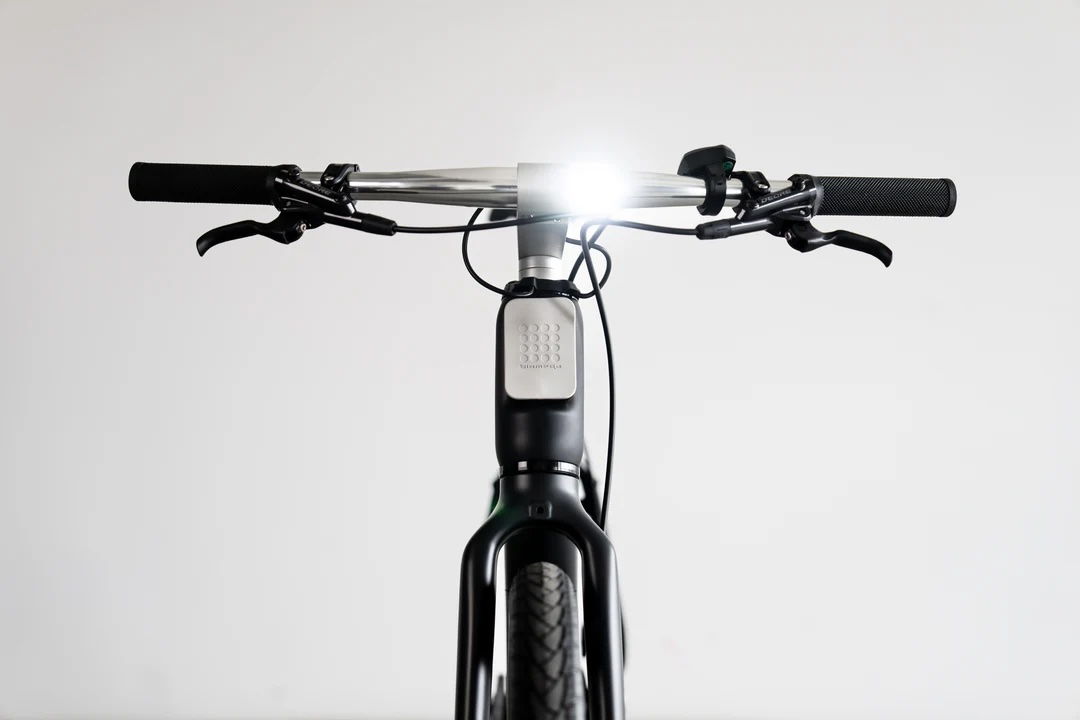
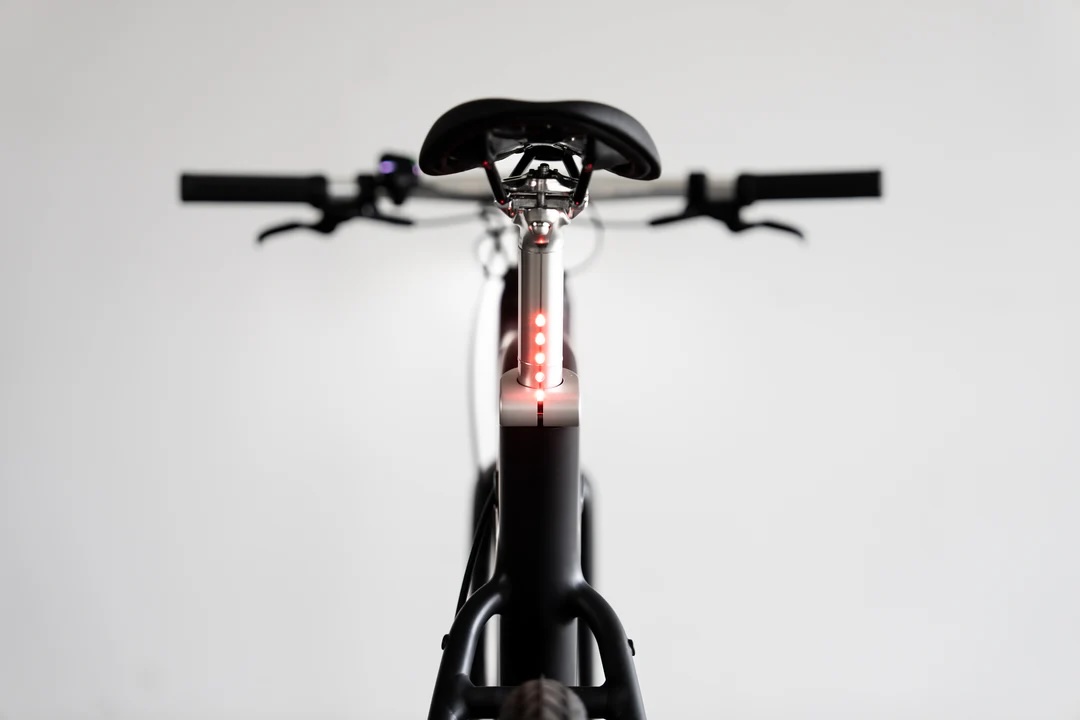
We didn’t need an e-bike that appeared like an e-bike, with chunky batteries, cable muddle and a futuristic aesthetic. BER needed to appear to be a basic Biomega bicycle. So the battery and motor are hidden, and the body is mild and minimalist.
We wished the sunshine, elegant and intuitive biking expertise, merely with e-assist added as an invisible enchancment — one thing you can virtually neglect to activate.
BTN: BER hides a lot of its electrical id: the battery and expertise don’t dominate the body. Was {that a} acutely aware response towards the visible heaviness of many e-bikes?
Completely. Many e-bikes appear to be expertise merchandise, with massive batteries, thick frames and an aesthetic that screams: “I’m an e-bike.” However we wished a motorbike that felt like a pure extension of your self, not a chunk of equipment.
It was a deliberate resolution to prioritise the consumer expertise over sophisticated specs.
BTN: Plenty of e-bikes compete on energy, vary and specification. BER appears to compete on lightness, class, ease and emotional enchantment. Is that the actual white area out there?
Many e-bikes deal with specs however neglect the bicycle expertise: the way it feels to journey, the way it seems to be and the way it integrates into your life.
BER competes on emotional worth. It feels mild, it seems to be good and it’s straightforward to make use of. That may be a white area as a result of individuals purchase with their hearts, not with spreadsheets. After all, the specs have to be good, however they don’t seem to be the purpose.
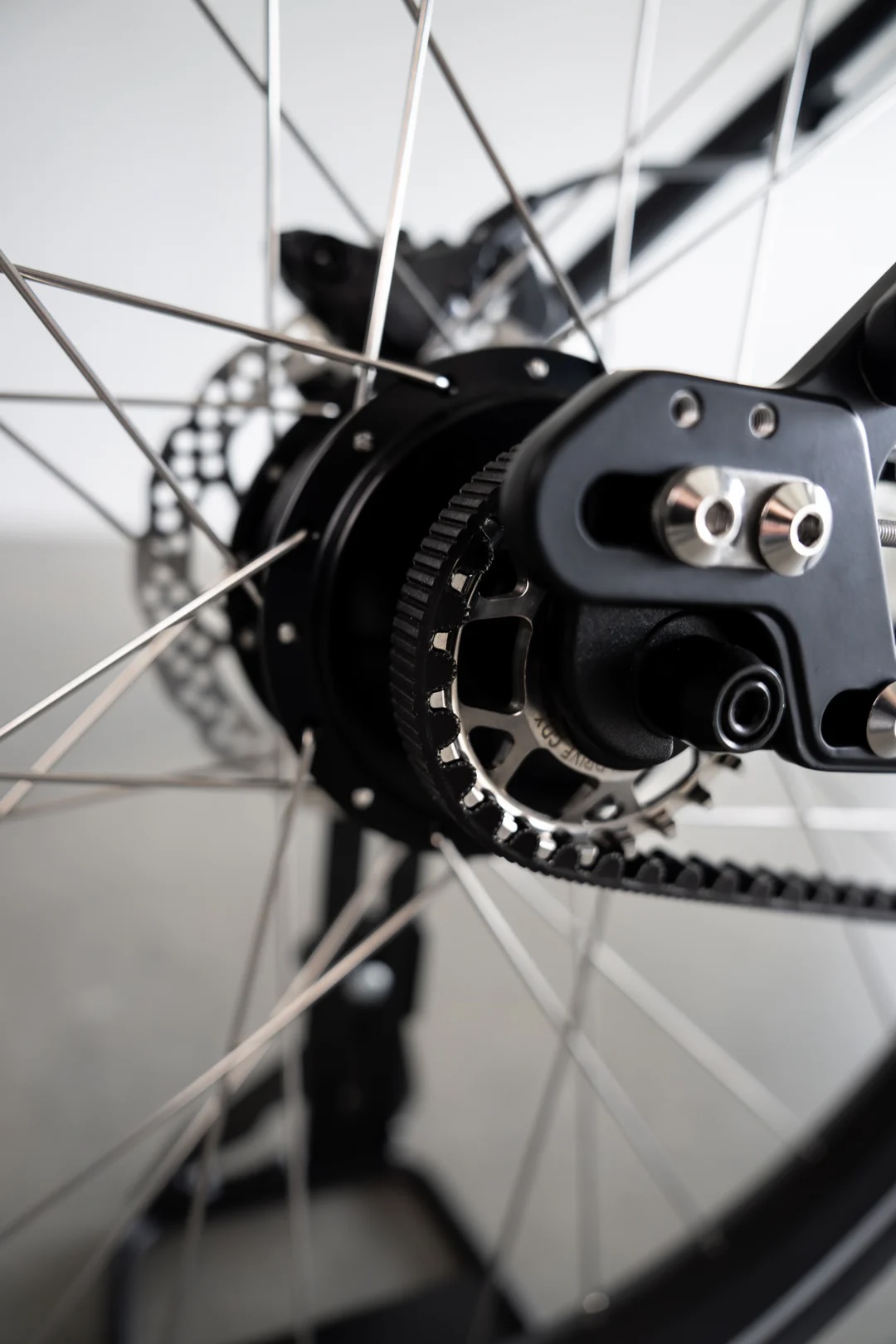
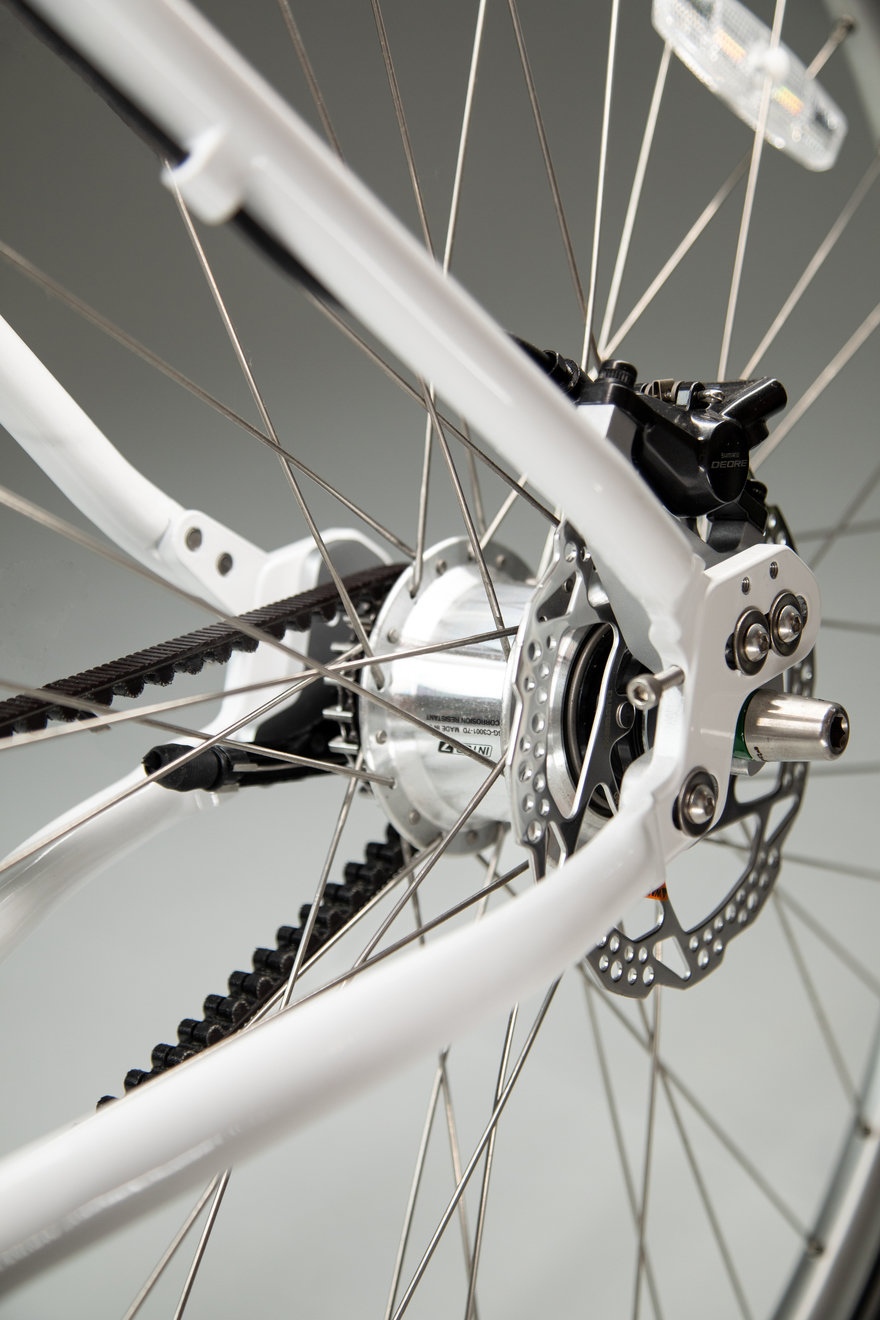
BTN: The BER has a Gates Carbon Drive, built-in lighting, single-speed gearing, app connectivity and a light-weight aluminium body. Which function do you suppose prospects will admire instantly, and which can solely reveal its worth over time?
The fast worth is the lightness and class. Individuals will immediately discover how straightforward it’s to journey and the way good it seems to be.
The worth over time is the simplicity of the single-speed gearing and Carbon Drive. Individuals could solely realise how low-maintenance and dependable the bike is after months of using without having to regulate gears or lubricate a sequence.
BTN: Biomega is now being relaunched in the US round BER. Why is the U.S. commuter market prepared for this sort of bike now?
As a result of America is discovering city bikes as an actual various to the automotive. Cities corresponding to New York, San Francisco and Portland are investing closely in biking infrastructure, and individuals are looking for more healthy, extra sustainable and extra gratifying methods to get round.
BER is mild sufficient to soak up elevators and retailer in residences. It’s lovely sufficient to enchantment to design-conscious customers, and simple sufficient to draw individuals who usually drive.
BTN: Biomega talks about cities with “extra bike and fewer automotive.” Which inner-city journeys do you imagine BER can realistically exchange: automotive commutes, taxis, public transport connections, or the second household automotive?
Realistically, BER can exchange brief automotive commutes, particularly journeys beneath 10 miles in cities with good biking infrastructure. It may well additionally exchange some taxi journeys, significantly brief journeys from a prepare station to an workplace, for instance.
Probably, it will probably additionally exchange the second household automotive for households which have one automotive for longer journeys, however desire a mild, eco-friendly answer for day by day use.
BTN: Many sustainable merchandise are offered by means of guilt or sacrifice. Can magnificence, want and standing be extra highly effective instruments for getting individuals out of vehicles?
Individuals don’t essentially purchase sustainable merchandise as a result of they really feel responsible. Principally, they purchase them as a result of they need them. Tesla proved Biomega’s level for vehicles: you may promote sustainability by means of luxurious, efficiency and standing.
With BER, we’re doing the identical for bikes: making biking cool for urbanites. If individuals really feel like they give the impression of being good, have enjoyable and are doing one thing good for the planet, they may most likely do it.
BTN: E-bikes nonetheless require batteries, electronics, manufacturing and logistics. How do you suppose actually in regards to the environmental trade-offs whereas nonetheless arguing for e-bikes as a greener city answer?
I wrote about this years in the past for the World Economic Forum in an article on the small, silent commuting revolution.
No answer is 100% sustainable, however bicycles are among the many cleanest transportation options round. E-bikes do pollute greater than standard bicycles, however solely marginally, and they’re nonetheless way more environment friendly than vehicles.
It’s about doing the most effective we are able to inside the constraints we’ve got, not ready for an ideal answer.
BTN: Ten years from now, what would make you proudest: BER profitable design awards, coming into museum collections, changing into commercially profitable, or quietly changing hundreds of automotive journeys?
Quietly changing hundreds of automotive journeys, as a result of that’s the function of all this — and to get pleasure from life. Design awards and museum collections are great, and business success is important to scale the thought. However the actual success is making cities and lives higher, and getting individuals to see the bike as the apparent selection in cities.
If BER may also help make cities extra livable, more healthy and extra sustainable, then we’ve got all received.
Learn more about Biomega’s BER
Interviewed by Sid Thaker