
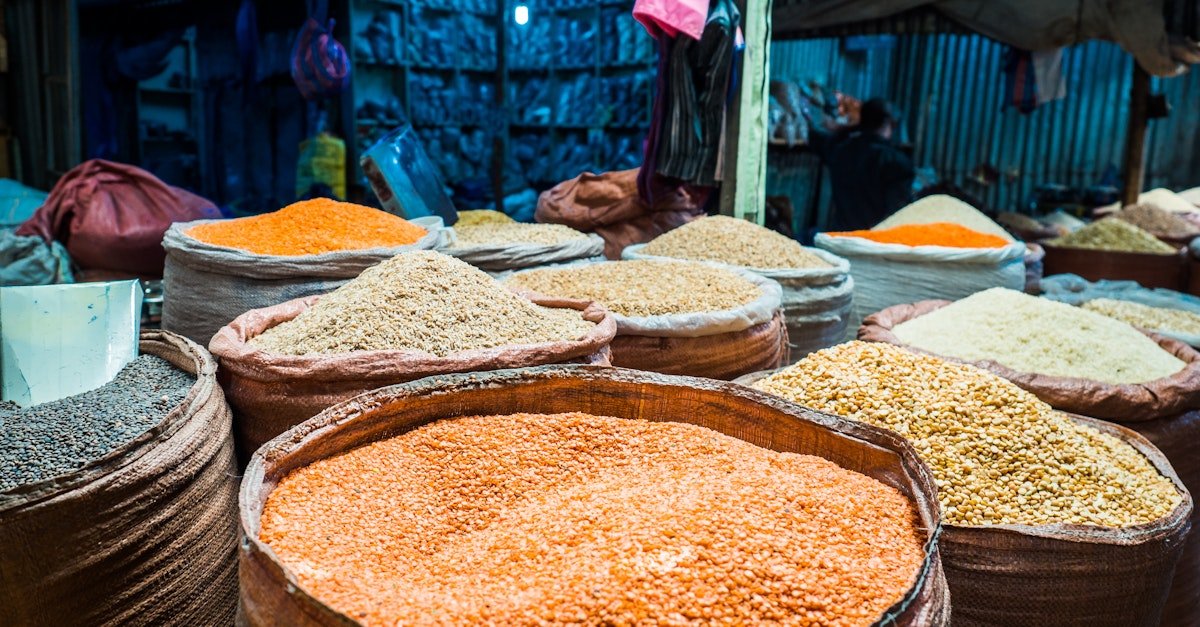

“Legumes” refers to an entire household of crops, however individuals usually imply the edible pods or seeds, which embrace pulses, beans, and peas.
Legumes are filled with fiber and protein, in addition to wholesome fat and carbohydrates and a number of minerals and different vitamins.
They’re good to your intestine — and analysis means that consuming legumes commonly might also enhance your levels of cholesterol, cut back the chance of long-term well being situations, and assist with weight administration.
Legumes include proteins referred to as lectins, which some persons are nervous about. Nevertheless, legumes are completely suitable for eating and are extraordinarily good for you. If you would like to study extra about lectins and different antinutrients, do that article subsequent.
Right here, we discover the well being advantages of legumes, which plant meals belong to this household, and easy methods to add them to your weight loss plan.
Our new app provides you the ability to see past the advertising and marketing
Make smarter, science-backed meals decisions in seconds. Scan. Rating. Reveal the reality.
Well being advantages
Legumes are extremely nutritious, and there are a lot of sorts, to allow them to actually enable you to improve the range of your weight loss plan.
That is vital as a result of consuming a variety of various crops may also help assist your intestine microbiome, the group of micro organism in your intestine. Having a wholesome intestine microbiome is related to higher general well being.
Under, we take a more in-depth have a look at the precise advantages that legumes can present.
Improved levels of cholesterol
Recurrently consuming legumes could enhance your levels of cholesterol in a comparatively brief time.
In keeping with one overview, a weight loss plan wealthy in a wide range of legumes offered important enhancements in just some weeks.
On common, in individuals with a legume-rich weight loss plan, LDL levels of cholesterol fell by 8.0 milligrams per deciliter (mg/dL), or 0.44 millimoles per liter (mmol/L).
Additionally, ranges of complete ldl cholesterol fell by 11.8 mg/dL (0.65 mmol/L) in contributors following a legume-rich weight loss plan, in contrast with a management weight loss plan.
Diminished danger of heart problems
Consuming loads of legumes could decrease your danger of creating heart problems.
A overview of 26 research discovered that individuals who ate extra legumes had a lowered danger of each coronary coronary heart illness and general heart problems.
The extra legumes contributors ate, as much as round 400 grams per week, the decrease the chance of those ailments.
Assist with weight administration
One other overview of research means that consuming 1 serving of pulses — like beans, chickpeas, or lentils — day-after-day might enable you to drop some weight.
After 6 weeks, the contributors following the pulse-rich weight loss plan misplaced 0.34 extra kilograms, on common, in contrast with the opposite contributors.
This held true even when the heartbeat diets weren’t decrease in energy than the management weight loss plan, suggesting that consuming extra pulses might be a wholesome, nonrestrictive technique to handle your weight.
Diminished danger of kind 2 diabetes
One research adopted greater than 3,300 individuals over a number of years. The outcomes counsel that consuming legumes — lentils, particularly — might assist cut back your danger of creating kind 2 diabetes.
The group discovered that contributors who ate probably the most legumes had been considerably much less prone to have developed kind 2 diabetes than those that ate the least.
And for older adults with a excessive danger of heart problems, a legume-rich Mediterranean weight loss plan could provide some safety towards kind 2 diabetes.
Diminished danger of colon most cancers
A variety of research checked out legume consumption in a complete of 1.9 million individuals over a number of years.
An evaluation discovered that individuals who ate probably the most legumes had a decrease danger of creating colon most cancers.
Editor’s abstract
A weight loss plan that incorporates a spread of legumes can assist a wholesome intestine. It may also enhance your levels of cholesterol and assist with sustaining a wholesome weight.
Recurrently consuming legumes can be related to a lowered danger of creating heart problems, kind 2 diabetes, and colon most cancers.
For those who’re within the science behind diet, and for dietary suggestions, take a look at the ZOE publication. You may join utilizing the field beneath.
Be a part of the group
Be the primary to learn about ZOE’s breakthrough analysis, content material from the world’s main scientists, and extra.
Vitamin
Legumes are wealthy in protein and a very good supply of fiber, wholesome fat, and slow-release carbohydrates. They’re additionally wealthy in polyphenols, which have antioxidant and anti inflammatory properties.
Legumes include B nutritional vitamins and minerals, like:
-
calcium
-
chromium
-
copper
-
iron
-
magnesium
-
phosphorus
-
potassium
-
selenium
-
zinc
All legumes can contribute to a nutritious diet, however their dietary profiles fluctuate. The desk beneath exhibits the profiles for chickpeas, peanuts, and inexperienced peas.
| Per cup | Chickpeas (cooked) | Peanuts (uncooked) | Inexperienced peas (cooked) |
|---|---|---|---|
| Protein | 14.5 g | 37.7 g | 8.58 g |
| Fat | 4.25 g | 71.8 g | 0.35 g |
| Carbs | 44.9 g | 23.5 g | 25.0 g |
| Fiber | 12.5 g | 12.4 g | 8.8 g |
| Sugars | 7.87 g | 6.89 g | 9.49 g |
27 forms of legumes
There are virtually 23,000 species of legumes, although some are inedible.
Plus, some species, like lentils, have a number of varieties. You should buy others in several kinds, resembling complete and break up peas.
Right here’s an inventory of legumes to strive:
-
adzuki beans
-
black beans (black turtle beans)
-
black-eyed beans
-
cannellini beans (white beans)
-
chickpeas (garbanzo beans)
-
cranberry beans (borlotti beans)
-
fava beans (broad beans)
-
flageolet beans
-
inexperienced beans (string beans or high-quality beans)
-
crimson kidney beans
-
yellow kidney beans
-
beluga lentils
-
inexperienced lentils
-
puy lentils
-
crimson lentils
-
yellow lentils
-
lima beans (butter beans)
-
mung beans
-
navy beans (haricot beans)
-
inexperienced peas
-
yellow peas
-
peanuts
-
pinto beans
-
runner beans
-
snow peas
-
soybeans
-
sugar snap peas
The crunch your intestine’s* been craving.
Help intestine well being* and power* and improve the flavour and crunch of your meals.
Which legumes are the healthiest?
No legume is more healthy than one other. They’re all wealthy in vitamins, like fiber and protein. And since every kind incorporates a unique vary of nutritional vitamins, minerals, and polyphenols, consuming all kinds is especially good for you.
The one exception is if in case you have a nut allergy. On this case, you’ll have to keep away from peanuts.
Within the ZOE Science & Vitamin podcast episode on protein, Dr. Christopher Gardner describes beans because the healthiest and tastiest supply of protein. You may watch the total episode right here.
Beans vs. legumes vs. pulses
You might hear the phrases legumes, pulses, and beans used interchangeably, however they’re not the identical.
Legume is an overarching time period for any plant within the Fabaceae household, which incorporates beans, peas, and lentils.
On the planet of diet, “legume” usually refers to a pod containing seeds, however it could possibly extra usually embrace the plant’s leaves and stems.
Beans, peas, and lentils are additionally forms of “pulses” — these are the seeds contained in the legume pod.
Within the case of sugar snap peas and string beans, we eat the entire pod. With regards to beans and lentils, we solely eat the seeds, or pulses.
In on a regular basis use, many individuals solely name beans, peas, and lentils “pulses” after they’re shopping for the dried form.
So, to sum up:
-
All beans are legumes.
-
Not all legumes are beans.
-
All beans, peas, and lentils are pulses.
-
All pulses are legumes.
Must you fear about lectins and antinutrients?
Lectins are proteins in lots of crops, resembling legumes and nightshade greens.
They’re antinutrients, that means they generally intrude with how your physique absorbs and makes use of vitamins in meals.
Some legumes, like lentils, chickpeas, and beans, are excessive in lectins. For those who ate them uncooked, the lectins can be exhausting to your intestine to interrupt down.
This might trigger digestive points or irritation, relying in your sensitivity, any potential allergic reactions, and what number of uncooked legumes you’ve had.
However we virtually all the time prepare dinner legumes. This breaks down the lectins, making them suitable for eating.
Beans straight from the can have already been cooked, so the lectins have been damaged down. Soaking and boiling legumes may also cut back their lectin content material.
The few forms of legumes that you simply do eat uncooked — like sugar snap peas — have very low ranges of lectins, in contrast with different legumes. Typical quantities of those meals are unlikely to trigger any hurt.
The truth is, lectins and different antinutrients could even present some well being advantages.
They’ve antioxidant properties, they usually could assist management your blood sugar responses by slowing your digestion.
Scientists are even investigating whether or not lectins might assist deal with most cancers.
Editor’s abstract
Legumes include proteins referred to as lectins. Some have excessive ranges, so should you ate these legumes uncooked, the lectins might be dangerous. However we usually prepare dinner these meals, like beans and lentils.
So, lectins are nothing to fret about. And consuming them might even present some well being advantages.
Ideas for including legumes to your weight loss plan
For those who’re on the lookout for inspiration, listed below are a number of methods to get extra legumes into your meals:
-
Attempt hummus and bean dips: Whizzing up chickpeas for selfmade hummus is fast and easy. You can also make dips with different legumes, like cannellini beans, too.
-
Spruce up your salads: Attempt sugar snap or snow peas for recent texture, peanuts for additional crunch, and chickpeas, fava beans, or pinto beans for substance.
-
Go for ease: You may throw canned beans right into a dish at a second’s discover.
-
Combine issues up: Why use one legume when you need to use three? A mix of beans provides a wider vary of vitamins, flavors, and textures.
-
Make wholesome swaps: Attempt butter bean stew, chickpea curry, or black bean tacos as an alternative of meat variations. Or serve lentils with a meal as an alternative of white rice or potatoes.
At ZOE, we run the most important diet science research on the earth. From our analysis, we all know that every of us responds to completely different meals in several methods. Obtain our app at present and begin your journey to higher well being.
We do not purchase the hype — and neither must you
Our new app reveals what the meals labels will not, utilizing knowledge from the world’s largest diet research run by ZOE.
Abstract
Legumes are edible pods and seeds. Some examples are beans, peas, and different pulses, like chickpeas and lentils, in addition to inexperienced beans and peanuts.
They’re excessive in fiber and protein, they usually’re a very good supply of wholesome fat and carbs, in addition to minerals and different vitamins.
Legumes additionally include antinutrients referred to as lectins. Cooking legumes breaks down their lectins, so these compounds are nothing to fret about.
There’s some proof that commonly consuming loads of legumes might cut back your danger of heart problems, kind 2 diabetes, and colon most cancers. It may also assist with weight administration.
It’s finest to eat a variety of legumes should you can, as every kind incorporates completely different micronutrients.
Sources
Chickpeas (garbanzo beans, bengal gram), mature seeds, cooked, boiled, with out salt. (2019). https://fdc.nal.usda.gov/fdc-app.html#/food-details/173757/vitamins
May plant lectins change into promising anti-tumour medicine for inflicting autophagic cell dying? Cell Proliferation. (2013). https://onlinelibrary.wiley.com/doi/abs/10.1111/cpr.12054
Dietary legume consumption reduces danger of colorectal most cancers: Proof from a meta-analysis of cohort research. Scientific Studies. (2015). https://www.ncbi.nlm.nih.gov/pmc/articles/PMC4350074/
Results of dietary pulse consumption on physique weight: A scientific overview and meta-analysis of randomized managed trials. The American Journal of Scientific Vitamin. (2016). https://www.sciencedirect.com/science/article/pii/S0002916523118946
Consumption of legumes and heart problems: A scientific overview and dose-response meta-analysis. Vitamin, Metabolism and Cardiovascular Illnesses. (2022). https://pubmed.ncbi.nlm.nih.gov/36411221/
Lectin exercise in generally consumed plant-based meals: Calling for methodology harmonization and danger evaluation. Meals. (2021). https://www.ncbi.nlm.nih.gov/pmc/articles/PMC8618113/
Legume consumption is inversely related to kind 2 diabetes incidence in adults: A potential evaluation from the PREDIMED research. Scientific Vitamin. (2018). https://pubmed.ncbi.nlm.nih.gov/28392166/
Legumes and pulses. (n.d.). https://www.hsph.harvard.edu/nutritionsource/legumes-pulses/
Non-soy legume consumption lowers levels of cholesterol: A meta-analysis of randomized managed trials. Vitamin, Metabolism and Cardiovascular Illnesses. (2011). https://www.sciencedirect.com/science/article/abs/pii/S0939475309002117
Dietary and well being implications of legumes. Worldwide Journal of Pharmaceutical Sciences and Analysis. (2013). https://citeseerx.ist.psu.edu/doc?repid=rep1&kind=pdf&doi=977be8ec2699b4c1403b2449745bc7039b48e750
Peanuts, all kinds, uncooked. (2019). https://fdc.nal.usda.gov/fdc-app.html#/food-details/172430/vitamins
Peas, inexperienced, cooked, boiled, drained, with salt. (2019). https://fdc.nal.usda.gov/fdc-app.html#/food-details/170102/vitamins
The primary world checklist of all legume species. (2022). https://www.kew.org/read-and-watch/legume-checklist