

As aviation leaders collect in Rio de Janeiro for the 82nd IATA Annual Normal Assembly (AGM) and World Air Transport Summit (WATS), they return to a metropolis that occupies a novel place within the historical past of world aviation.
Rio was the place, in 1999, IATA formally launched the World Air Transport Summit, recognising that its annual gathering had developed into one thing a lot bigger than a commerce affiliation assembly. Aviation had develop into one of many defining industries of globalization, carrying greater than 1.5 billion passengers yearly and producing over $300 billion in revenues. The AGM had develop into the discussion board the place airline leaders, governments, producers, airports and regulators debated the way forward for an more and more interconnected world.
But the story begins greater than half a century earlier.
On 19 April 1945, representatives from 57 airways throughout 31 nations met in Havana, Cuba, to ascertain the Worldwide Air Transport Affiliation. Later that yr, Montreal hosted the primary AGM. The Second World Conflict had not but formally ended. Industrial aviation was fragmented, costly and accessible to solely a privileged few. Fewer than 10 million individuals travelled internationally by air annually. Airways operated fleets of piston-powered plane carrying just a few dozen passengers at a time, whereas business revenues have been measured in hundreds of thousands somewhat than billions of {dollars}.
The problem going through IATA’s founders was deceptively easy: how do you create a really world aviation system when each airline, airport and authorities operates in another way? The reply would assist form the subsequent eighty years of aviation and, in lots of respects, assist form the trendy world itself.
Constructing the Guidelines of the Sky: 1945-1959
The primary twenty years of IATA’s existence weren’t outlined by plane innovation, however by standardisation. Beneath Sir William Hildred, IATA’s first Director Normal, the organisation established lots of the invisible methods that proceed to underpin worldwide aviation as we speak. Widespread ticketing guidelines, interline agreements, settlement methods and operational requirements allowed airways from completely different nations to perform as a part of a single world community. With out these foundations, trendy worldwide journey would merely not exist.
The AGM areas throughout this era mirrored the geography of aviation on the time. Conferences rotated between Montreal, London, Geneva, Paris, New York and different North American and European centres that dominated industrial aviation. But two conferences stand out in hindsight. New Delhi hosted in 1958 and Tokyo adopted in 1959. On the time, these locations have been merely new additions to the AGM calendar. Trying again, they represented early indicators of the place aviation’s future progress would emerge.
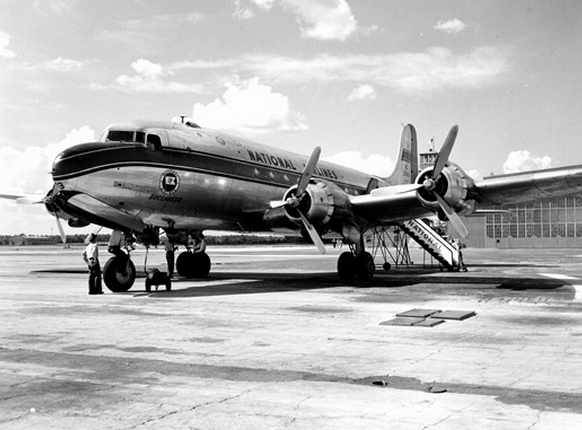
The last decade additionally coincided with the primary main growth of economic aviation. Plane such because the Lockheed Constellation and Douglas DC-6 dramatically improved vary and reliability, whereas governments more and more recognised aviation as a strategic financial and diplomatic software. When Hildred started his tenure, fewer than 10 million passengers travelled internationally annually. By the tip of the Nineteen Fifties, airways have been carrying round 100 million passengers yearly worldwide and producing roughly $5 billion in revenues. Pan American World Airways, BOAC, Air France, KLM and TWA dominated the skies, whereas a brand new period was already taking form.
The Jet Revolution: 1960-1969
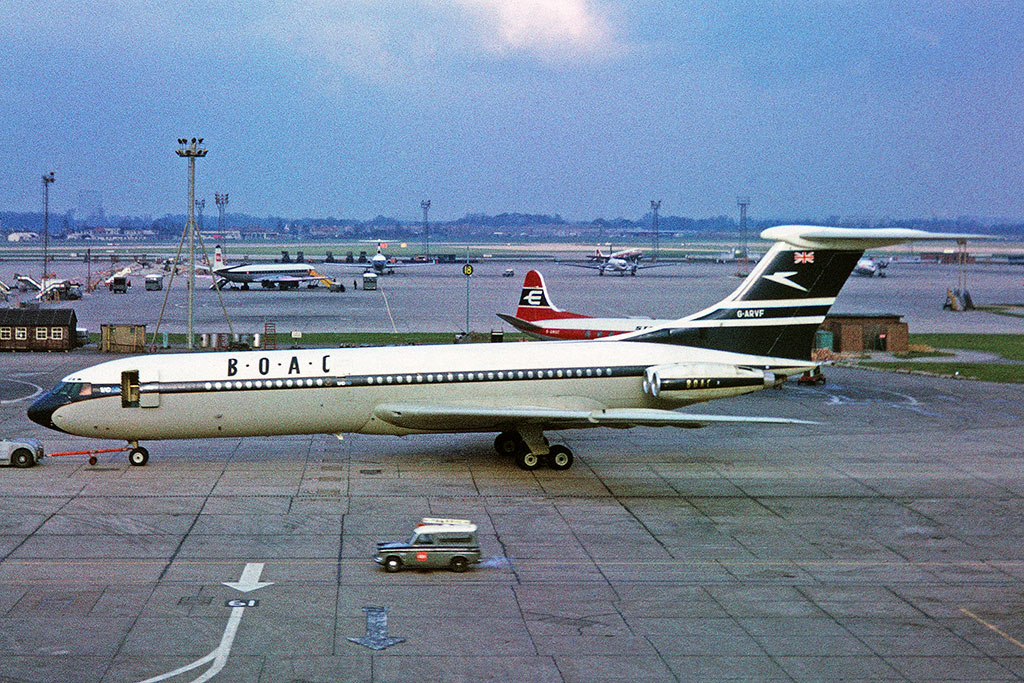
The Nineteen Sixties reworked aviation extra dramatically than any decade earlier than it. The arrival of the Boeing 707 and Douglas DC-8 essentially modified perceptions of distance. Flights that after took days may now be accomplished in hours. Worldwide journey grew to become sensible for rising numbers of individuals and companies, whereas airways more and more marketed the glamour and accessibility of flight to a quickly increasing center class.
The AGM map mirrored aviation’s rising attain. Sydney hosted in 1961, Bogota in 1964, Mexico Metropolis in 1966 and Manila in 1967. These weren’t merely venue selections. They mirrored markets turning into more and more built-in into the worldwide financial system via aviation and demonstrated IATA’s recognition that the business’s future wouldn’t be confined to its conventional North Atlantic heartland.
Passenger site visitors doubled in the course of the decade, reaching roughly 300 million annual travellers by 1970. Trade revenues approached $15 billion. Pan Am grew to become the defining airline of the period, working the world’s most in depth worldwide community and serving as an emblem of a shrinking world. New airports opened throughout Europe, Asia and the Americas as governments invested closely in aviation infrastructure. This was the primary interval when aviation started to resemble the business we recognise as we speak.
The Jumbo Jet and the Start of Mass Journey: 1970-1979
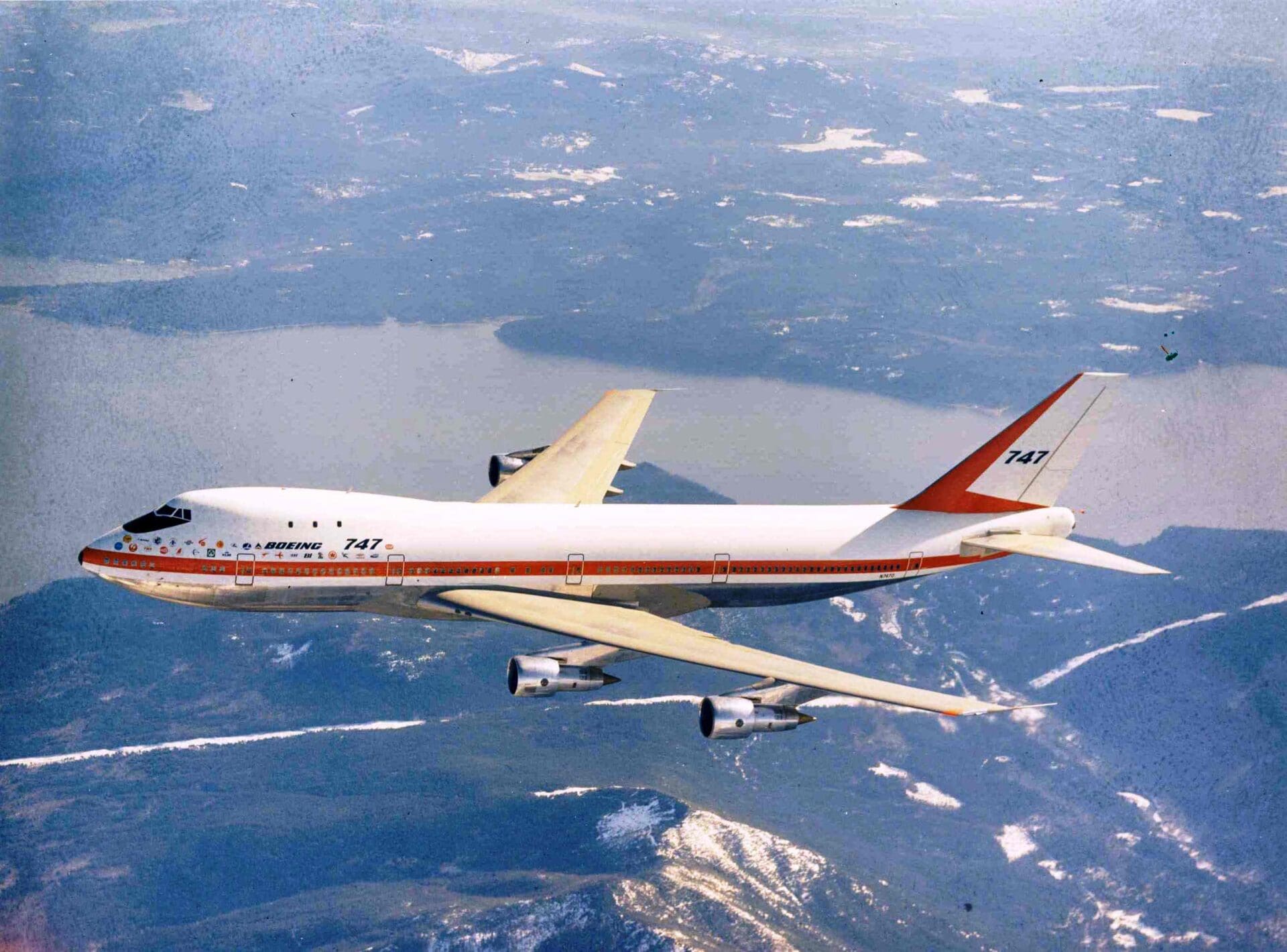
If the jet age made world journey potential, the Boeing 747 made it accessible. Launched in 1970, the jumbo jet dramatically diminished the price of long-haul journey and ushered within the period of mass-market worldwide tourism. Passenger numbers surged past 500 million yearly by the tip of the last decade, whereas business revenues approached $50 billion. Greater than 8,000 industrial jet plane have been working worldwide.
The AGM areas in the course of the decade now seem remarkably prescient. Tehran hosted in 1970, lengthy earlier than the Gulf emerged as one in every of aviation’s most influential areas. Singapore welcomed delegates in 1976, years earlier than Changi Airport grew to become the worldwide benchmark for airport excellence and Singapore Airways emerged as one of many business’s most admired carriers. Trying again, lots of the business’s future leaders appeared first as rising markets on the AGM calendar.
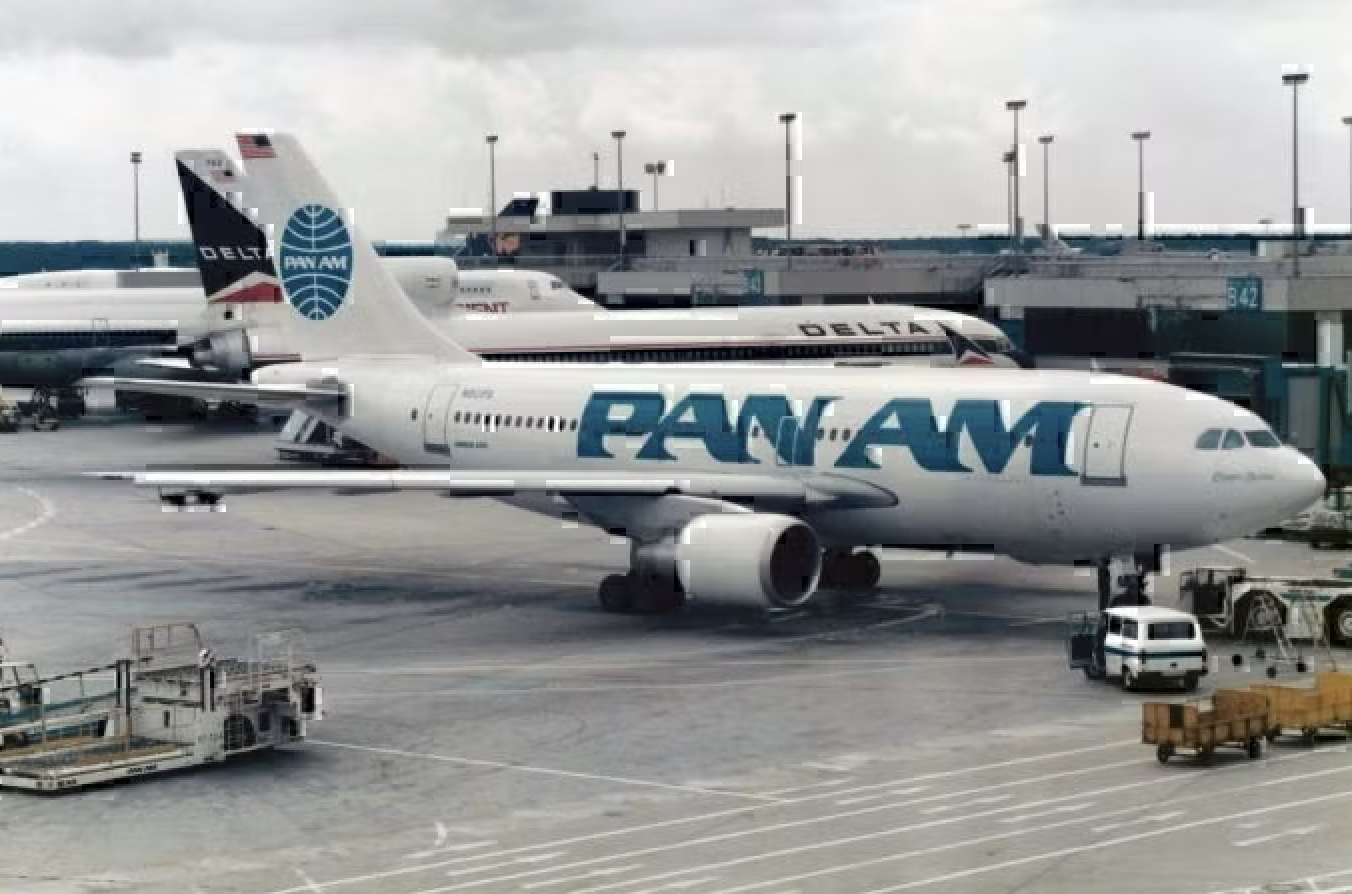
The last decade was additionally marked by disaster. The oil shocks of 1973 and 1979 uncovered aviation’s dependence on gasoline and compelled airways to concentrate on effectivity in a manner they by no means had earlier than. Beneath Director Normal Knut Hammarskjöld, IATA helped information the business via its first main financial shock. Most of the debates going down as we speak round sustainability, power safety and operational resilience can hint their roots again to classes realized throughout this era.
Deregulation and Competitors: 1980-1989
The Nineteen Eighties modified aviation’s economics. Deregulation in the US triggered a wave of liberalisation that unfold internationally. Airways more and more competed on community energy, operational effectivity and buyer expertise somewhat than regulatory safety. New enterprise fashions emerged, competitors intensified and passengers benefited from larger selection and decrease fares.
Passenger numbers surpassed one billion yearly and business revenues exceeded $150 billion. Airbus emerged as Boeing’s first severe world competitor, serving to reshape plane manufacturing for many years to come back. Airways started constructing the hub-and-spoke methods that might outline community planning for a era.
The AGM continued to comply with geopolitical change. New Delhi hosted once more in 1983, reflecting India’s rising significance, whereas Warsaw welcomed delegates in 1989 because the Chilly Conflict ended and Japanese Europe opened to worldwide markets. Beneath Director Normal Günter Eser, IATA more and more targeted on liberalisation, competitors and serving to airways navigate a quickly altering industrial panorama. Aviation was turning into extra world, extra aggressive and more and more central to financial progress.
Globalisation’s Favorite Trade: 1990-1999
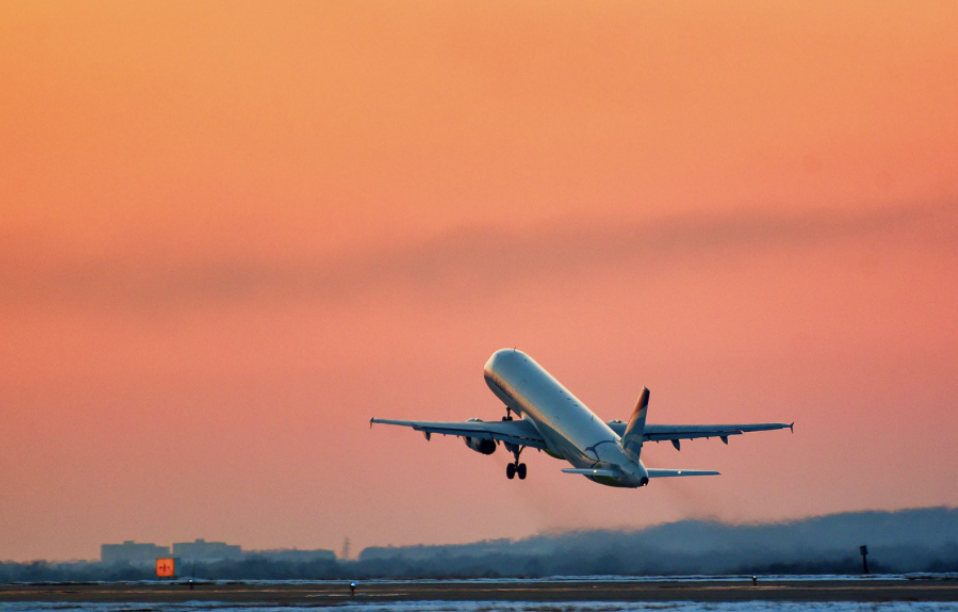
By the Nineteen Nineties, aviation had develop into the infrastructure of globalization. Passenger numbers reached roughly 1.5 billion yearly. Trade revenues exceeded $300 billion. The worldwide fleet surpassed 15,000 industrial plane and worldwide connectivity expanded at an unprecedented tempo.
The AGM areas mirrored the business’s increasing horizons. Nairobi hosted in 1991, highlighting Africa’s rising position in worldwide aviation. Kuala Lumpur adopted in 1995 as Southeast Asia emerged as one of many world’s fastest-growing aviation markets. Amman hosted in 1997, reflecting the strategic significance of the Center East. The geographical variety of AGM hosts more and more mirrored the geographical variety of aviation’s progress.
Then got here Rio de Janeiro in 1999.
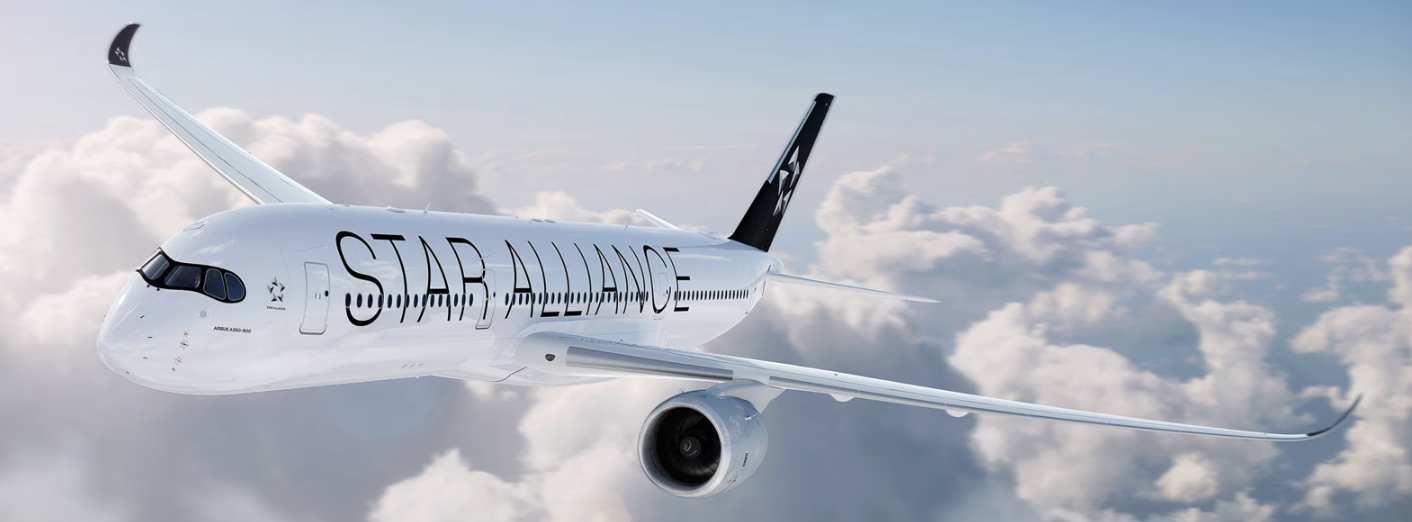
Beneath Director Normal Pierre Jeanniot, airways have been coming into the period of world alliances, built-in networks and digital commerce. Star Alliance had launched in 1997 and oneworld adopted in 1999. Airways more and more thought when it comes to world networks somewhat than nationwide markets, whereas the web promised to rework the connection between airways and travellers.
The Rio AGM formally launched the title World Air Transport Summit, recognising that aviation had develop into one of many world’s most strategically necessary industries. It was an acknowledgement that the annual gathering had developed into aviation’s premier management discussion board and that the problems being mentioned prolonged far past airways themselves.

Digital Aviation Arrives: 2000-2009
The primary decade of the brand new millennium was outlined by each disaster and transformation. The assaults of September 11 reshaped aviation safety eternally, introducing new procedures and prices that proceed to affect the passenger journey as we speak. But the last decade’s defining legacy was technological change.
The 2002 AGM in Shanghai now appears to be like significantly important. China was starting an increase that might finally make it one of many largest aviation markets in historical past. Airports, airways and producers have been already positioning themselves for what many believed could be the best aviation progress story of the twenty-first century.
Beneath Director Normal Giovanni Bisignani, IATA launched Simplifying the Enterprise, arguably essentially the most profitable modernisation programme the business has ever undertaken. Digital ticketing, bar-coded boarding passes, self-service check-in and automatic passenger processing essentially modified the passenger journey. The elimination of paper tickets alone saved airways billions of {dollars} whereas enhancing the shopper expertise.
Most of the airport processes travellers take with no consideration as we speak could be traced on to initiatives launched throughout this era. By the tip of the last decade, airways have been carrying roughly 2.5 billion passengers yearly and producing greater than $500 billion in revenues. The digital passenger expertise had arrived.
The Eastward Shift: 2010-2019
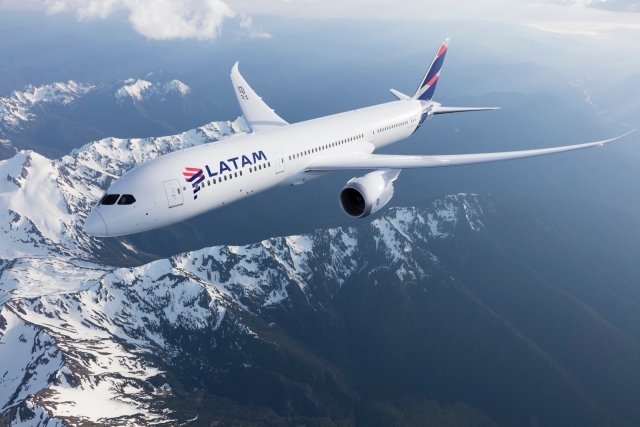
The last decade earlier than the pandemic was maybe essentially the most profitable interval in aviation historical past. Passenger site visitors elevated from roughly 2.7 billion to greater than 4.5 billion travellers yearly. Trade revenues approached $850 billion. Industrial aviation grew to become safer than at any earlier level in its historical past, whereas plane such because the Boeing 787 Dreamliner and Airbus A350 ushered in a brand new era of effectivity and passenger consolation.
The AGM areas reveal one of the crucial necessary structural shifts in trendy aviation. Beijing hosted in 2012, Doha in 2014 and Seoul in 2019. The business’s centre of gravity was shifting east. China was turning into the world’s most necessary progress market. Gulf carriers have been redefining long-haul connectivity. Asian airports have been setting new requirements for passenger expertise.
Cape City’s internet hosting of the AGM in 2013 was equally important. Solely the second AGM ever held in Africa, it highlighted each the continent’s untapped aviation potential and the position connectivity may play in unlocking financial progress. Beneath Tony Tyler and later Alexandre de Juniac, IATA championed initiatives together with Quick Journey, New Distribution Functionality (NDC), ONE Order and continued growth of IOSA security requirements. The longer term appeared exceptionally vibrant.
Then it stopped.
Aviation’s Best Disaster: 2020-2022
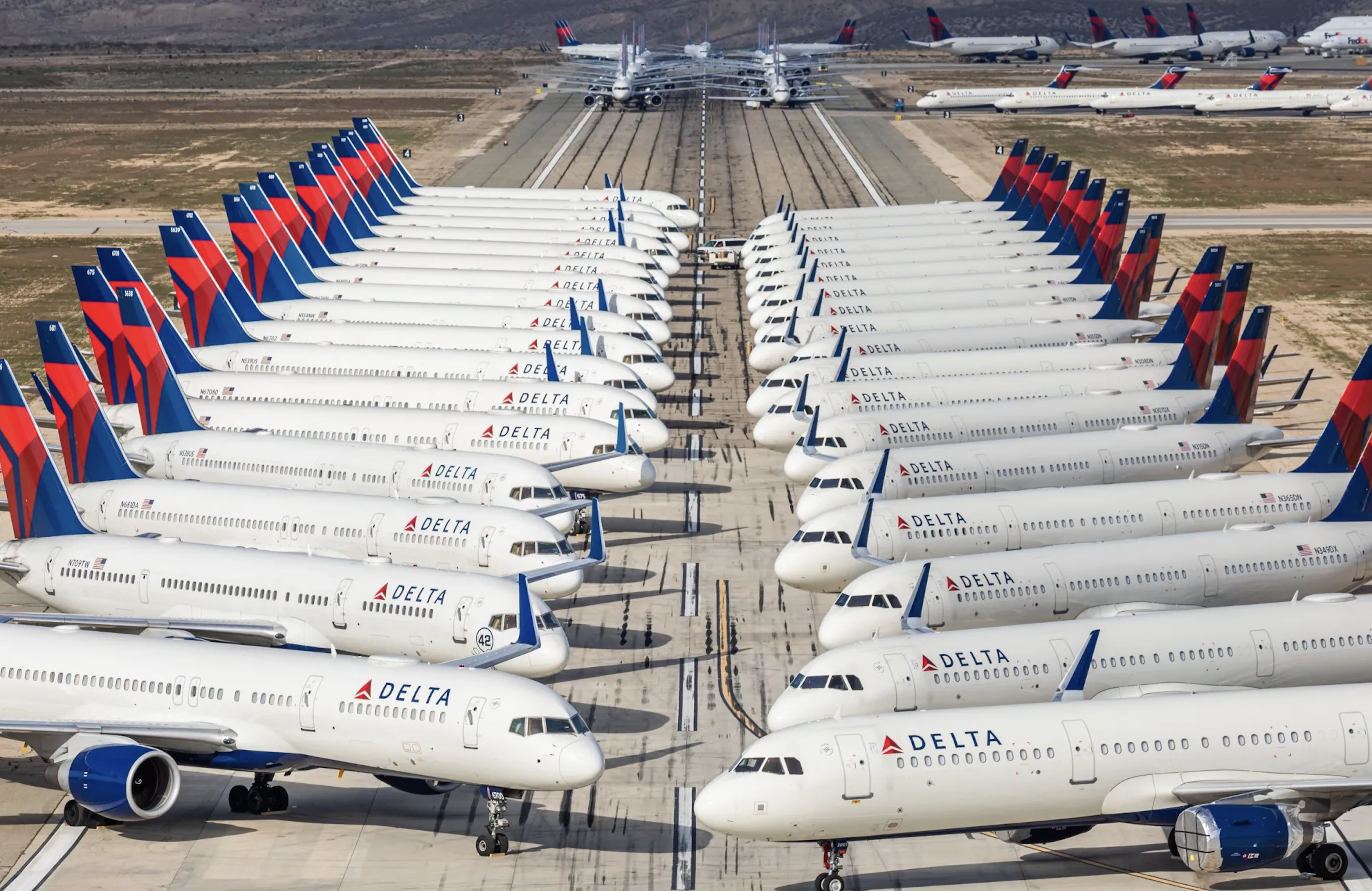
The pandemic stays the best shock in aviation historical past. Passenger site visitors collapsed by greater than 60 %. Plane have been grounded throughout the globe. Airways collected unprecedented losses measured in a whole lot of billions of {dollars}. For the primary time in its historical past, the AGM moved on-line in 2020.
Beneath Alexandre de Juniac and later Willie Walsh, IATA grew to become one of many business’s most influential voices, advocating for border reopening, harmonised journey protocols and coordinated restoration measures. The return to Boston in 2021 and Doha in 2022 mirrored an business decided not merely to outlive however to rebuild. Few sectors recovered extra rapidly as soon as restrictions have been lifted and, by the center of the last decade, aviation had as soon as once more returned to progress.
Sustainability, Scale and the Rise of India: 2023-2025
Current AGM areas inform us a terrific deal about the place aviation believed its future lay. Istanbul, Dubai and New Delhi symbolize three markets that sit on the intersection of inhabitants progress, financial growth and growing world connectivity. Simply as Tokyo symbolised the rise of Japan when it hosted the AGM in 1959 and Shanghai mirrored China’s emergence as an aviation superpower in 2002, New Delhi’s internet hosting of the occasion in 2025 represented India’s arrival because the business’s subsequent main progress engine.
The transformation has been outstanding. When India final hosted the AGM in 1983, its aviation market was comparatively small and closely regulated. 4 many years later, it had develop into the world’s third-largest home aviation market and one of many fastest-growing wherever on the planet. Airways together with IndiGo and Air India had positioned among the largest plane orders in aviation historical past, whereas the nation’s airport infrastructure programme was increasing at a tempo not often seen in mature markets. It grew to become troublesome to seek out an airline, airport operator or producer whose long-term forecasts didn’t place India on the centre of future progress.
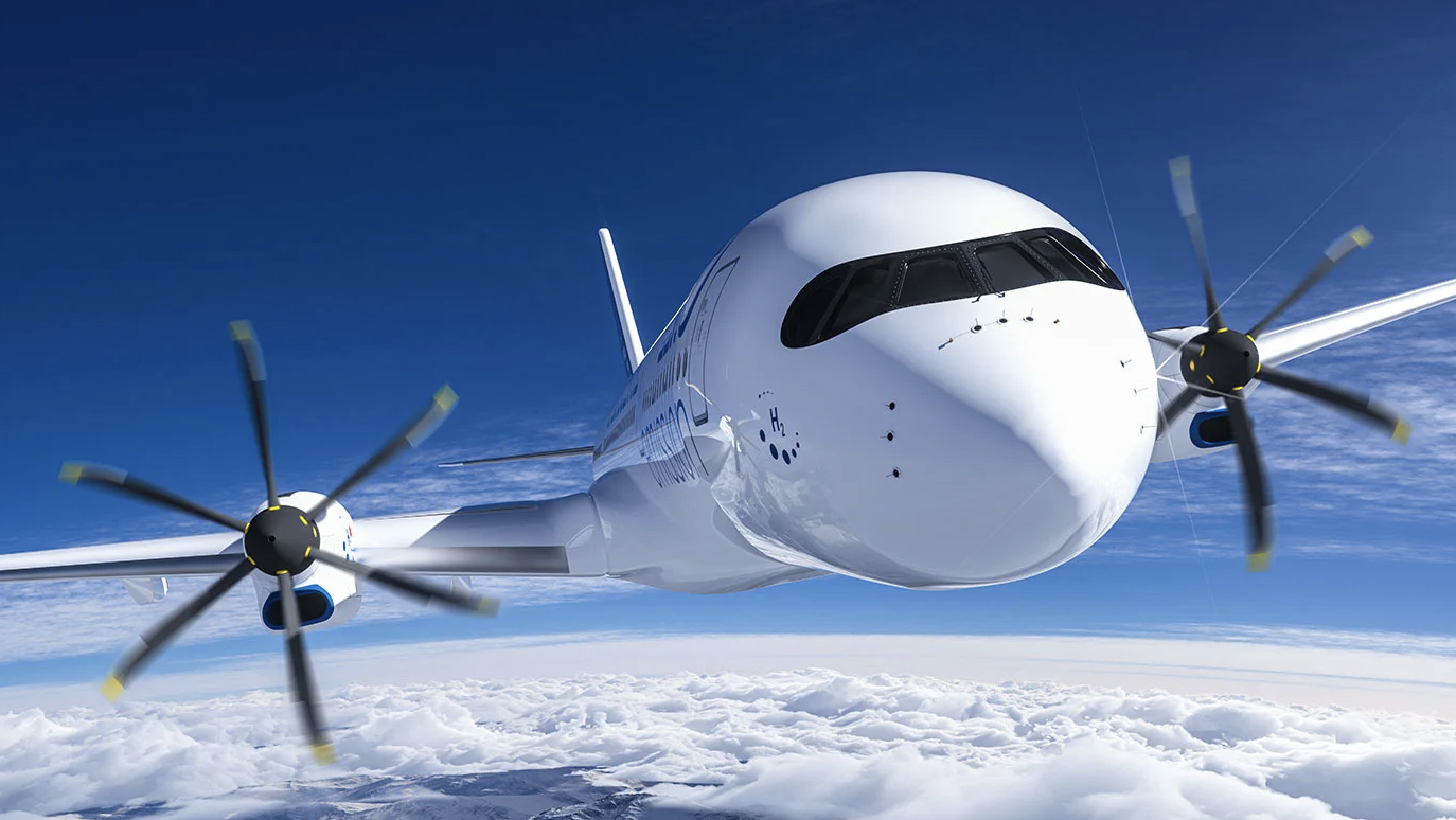
Alongside India’s rise, sustainability emerged because the defining strategic precedence for the business. IATA’s dedication to reaching net-zero emissions by 2050 shifted from aspiration to execution, with Sustainable Aviation Gas shifting from a distinct segment idea to the business’s main decarbonisation pathway. What started as an environmental dialogue more and more grew to become one in every of industrial technique, financial competitiveness and power safety. By the point delegates gathered in New Delhi, passenger numbers have been approaching 5 billion yearly, business revenues have been shifting in the direction of the $1 trillion mark and the restoration from the pandemic was largely full.
For a lot of airline leaders, the course of journey appeared more and more clear.
That confidence would quickly be examined.
2026: A New Aviation Order
Each period of aviation has been formed by a defining drive. The Jet Age reworked plane efficiency and route economics. Deregulation reworked competitors. Globalisation reshaped networks and alliances. Digitisation revolutionised the passenger expertise. The business arriving in Rio in 2026 faces one thing completely different: a convergence of geopolitical uncertainty, technological disruption and structural financial change that’s starting to redefine the assumptions on which trendy aviation has been constructed.
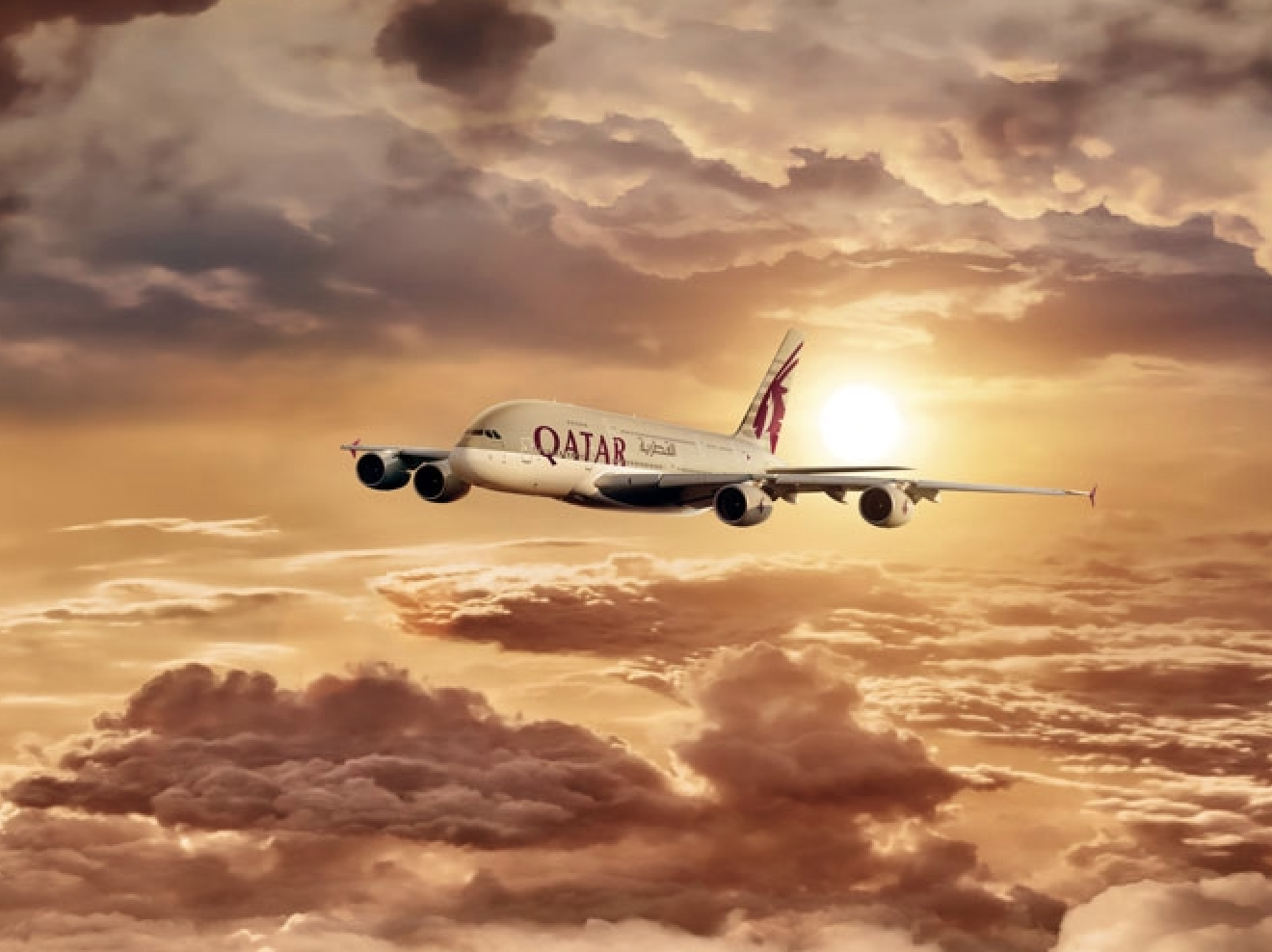
Probably the most fast problem is geopolitical. The escalation of tensions throughout the Gulf and the disruption surrounding the Strait of Hormuz have reminded aviation leaders of a actuality that many had largely taken with no consideration throughout three many years of globalisation: airways stay depending on political stability, safe airspace and dependable power provides. The importance extends far past the area itself. Over the previous twenty years, Dubai, Doha and Abu Dhabi have develop into the crossroads of world aviation, with Emirates, Qatar Airways and Etihad reshaping worldwide journey flows via extremely environment friendly hub-and-spoke networks linking Europe, Asia, Africa and Australasia. Complete site visitors patterns have been redesigned across the Gulf mannequin, making any extended instability within the area a matter of world concern somewhat than a regional problem.
Gas stays on the centre of these issues. The Strait of Hormuz is among the world’s most strategically necessary power corridors and any disruption that impacts provide or pricing has the potential to reverberate all through the airline business. The sector has confronted gasoline shocks earlier than, most notably in the course of the oil crises of the Nineteen Seventies, however the mixture of rising geopolitical stress and already constrained provide chains has sharpened government consideration on resilience. It’s maybe no coincidence that sustainability discussions have more and more develop into intertwined with power safety. Sustainable Aviation Gas is now not considered solely via the lens of carbon discount. More and more, it’s seen as a part of a broader technique to scale back long-term publicity to geopolitical volatility and fossil gasoline dependence.
On the similar time, the economics of aviation are coming into a brand new section. The post-pandemic restoration has created a widening divide between the business’s strongest and weakest performers. No airline illustrates that dynamic extra clearly than Emirates, which has emerged because the world’s most worthwhile airline and arguably essentially the most profitable long-haul provider of the trendy period. Its file monetary outcomes have strengthened the enduring energy of the Gulf hub mannequin at a time when many opponents proceed to battle with plane shortages, rising labour prices and operational constraints.
The distinction with developments elsewhere available in the market is equally putting. The collapse of Spirit Airways highlighted the mounting pressures going through elements of the ultra-low-cost sector, the place provide chain disruption, engine reliability points and altering buyer expectations have uncovered vulnerabilities in enterprise fashions that after appeared extremely resilient. These contrasting fortunes are fuelling renewed dialogue about consolidation. Aviation has traditionally remained extra fragmented than many comparable capital-intensive industries, but the mix of sustainability funding necessities, plane shortages, labour constraints and growing regulatory complexity is strengthening the argument for larger scale. Throughout North America, Europe and elements of Asia, executives are more and more asking whether or not the subsequent decade will see a brand new wave of mergers, acquisitions and strategic partnerships reshape the aggressive panorama.
Operating via all of those discussions is one other drive which will finally show much more transformative: synthetic intelligence. Aviation has at all times been a expertise business, with each main interval of progress enabled by advances in engineering, operations or digital methods. The distinction as we speak is that AI shouldn’t be confined to a single a part of the worth chain. It’s starting to affect income administration, community planning, predictive upkeep, customer support, disruption restoration, airline retailing and operational decision-making concurrently. Not like earlier expertise shifts, which tended to enhance particular person features, AI has the potential to reshape how airways function as built-in companies.
As delegates collect in Rio, they don’t seem to be merely discussing the subsequent twelve months of aviation. They’re debating the form of the business’s subsequent decade and, probably, the foundations of its subsequent period.
From 57 Airways to a Trillion-Greenback Trade
When IATA was based in 1945, 57 airways represented 31 nations. Fewer than 10 million individuals travelled internationally by air annually. Trade revenues have been measured in hundreds of thousands of {dollars} and flying remained the protect of a privileged minority.
At present, IATA represents greater than 370 airways. Greater than 5 billion passengers journey yearly. Trade revenues are approaching the $1 trillion mark for the primary time, whereas greater than 30,000 industrial plane join over 24,000 metropolis pairs worldwide.
As delegates collect in Rio de Janeiro for the 82nd Annual Normal Assembly and World Air Transport Summit, they accomplish that in opposition to a backdrop of geopolitical uncertainty, file passenger demand, technological disruption and profound structural change. The questions being debated are completely different from these confronted by the 57 airways that gathered in Havana in 1945, however the stakes are each bit as important.
Eighty-one years after IATA’s founding, aviation as soon as once more finds itself on the centre of a altering world. The problem is now not creating a standard framework for a fragmented business. It’s navigating a future formed by power safety, synthetic intelligence, shifting geopolitical alliances and the continued rise of recent aviation powers. The choices made in Rio could not solely outline the subsequent chapter of IATA’s historical past, but in addition the longer term course of the business it helped create.
Justin Cooke is the Editor in Chief of Breaking Journey Information and will likely be attending the IATA AGM in Rio de Janeiro.