


The UAE is getting into a pivotal stage in its round financial system journey, with the EPR Pilot for glass restoration marking a significant step towards producer accountability and system-led recycling. Breaking Journey Information met up with Ziad Karam, Head of Company Relations, Diageo MENA and Mohamed Daoud, Founder & CEO, Growth Inc. to search out out extra in regards to the pilot’s impression, its potential to form nationwide coverage within the UAE, and the way {industry} and ecosystem companions can drive significant round progress.
BTN: Diageo’s partnership with the World Sustainable Journey & Hospitality Awards alerts a transparent dedication to sustainability past your core enterprise. Why was it necessary for Diageo to help this initiative, notably at Terra, a venue devoted to regeneration and round pondering?
Ziad Karam, Head of Company Relations, Diageo MENA: “Diageo’s participation displays our perception that sustainability progress is accelerated by credible partnerships and sensible motion. Terra is a related venue as a result of it’s devoted to regeneration and round pondering, bringing collectively stakeholders who can transfer from ambition to implementation. For us, World Sustainable Journey & Hospitality Awards is a chance to help a constructive dialogue round scalable options, accountable restoration programs, and measurable outcomes, notably throughout high-impact sectors reminiscent of hospitality and tourism.”
Mohamed Daoud, Founder & CEO, Growth Inc.: “Terra creates the suitable context for a systems-level dialogue: how circularity is designed, ruled, and delivered in apply. What makes World Sustainable Journey & Hospitality Awards priceless is its skill to convene policy-aligned stakeholders, {industry} leaders, and implementers round actual execution: assortment design, operational self-discipline, and clear reporting. That is the place round financial system commitments can translate into working fashions which are credible, measurable, and scalable.”
BTN: From a company relations and coverage perspective, how do partnerships like World Sustainable Journey & Hospitality Awards assist world producers play a extra constructive function in nationwide sustainability agendas throughout the area?
Ziad Karam: “They supply a structured platform for producers to interact responsibly with government-aligned agendas and native ecosystems, whereas supporting programs that may ship measurable progress. In apply, efficient partnerships create alignment round targets, governance, and reporting expectations, serving to EPR initiatives transfer past idea into scalable fashions. In addition they encourage information sharing and transparency, that are important for constructing belief and accelerating adoption throughout the area.”
BTN: You’ve gotten labored throughout a number of markets designing and delivering environmental programs. What makes the UAE EPR Pilot a very necessary second for the area’s round financial system journey?
Mohamed Daoud: “The UAE EPR Pilot represents a shift from fragmented efforts to a extra structured and accountable method to materials restoration. It locations emphasis on producer accountability, efficiency measurement, and system design, components that decide whether or not recycling works at scale. The UAE additionally has the institutional capability to translate pilot learnings into nationwide frameworks. If the pilot demonstrates credible restoration and reporting, it might probably set a regional benchmark for a way round financial system programs ought to be ruled and applied.”
BTN: Why is glass restoration such a strategic focus for Diageo inside the EPR Pilot, and what accountability do producers have in making certain supplies they put into the market are recovered successfully?
Ziad Karam: “Glass is a key packaging materials in our class and presents robust round potential when it’s recovered and processed accurately. Producers have a accountability to assist allow restoration programs which are sensible, inclusive of key assortment channels, and supported by credible reporting. The EPR Pilot is a chance to display how producers can contribute to constructing programs that enhance restoration efficiency, strengthen recycling pathways, and help coverage improvement by proof and transparency.”
BTN: From an ecosystem and programs design viewpoint, what are the most important technical and behavioural boundaries to efficient glass restoration within the UAE right this moment?
Mohamed Daoud: “Technically, the principle boundaries are seize high quality, contamination, and the necessity for constant assortment protection throughout high-yield technology factors, notably hospitality. Behaviourally, the system should be handy and trusted; participation improves when separation is easy, assortment is dependable, and outcomes are seen. From a design standpoint, glass restoration works finest by multi-channel assortment fashions supported by operational controls and measurable KPIs.”
The EPR Pilot and glass restoration
BTN: How do producer dedication and ecosystem innovation have to work collectively for EPR pilots to maneuver from proof of idea to scalable nationwide programs?
Ziad Karam: “Scaling requires long-term dedication, strong governance, and transparency. Producers can help this by aligning on clear targets, contributing to funding mechanisms, and prioritising credible reporting. Ecosystem innovation then ensures supply, optimising assortment fashions, enhancing materials high quality, and enabling studying by knowledge. The target is to construct programs which are repeatable, environment friendly, and policy-relevant.”
Mohamed Daoud: “Producer dedication makes the system investable and performance-driven; ecosystem innovation makes it operationally deliverable. The bridge is knowledge and accountability, making certain pilots evolve by proof fairly than assumptions. In parallel, we’re creating the Dubai Glass Restoration Undertaking as an industry-led mannequin aligned with UAE stakeholders and authorities, designed to display how multi-channel restoration, real-time visibility, and operational KPIs can help scalable outcomes.”
Ziad Karam, Head of Company Relations, Diageo MENA
Collaboration and ecosystem design
BTN: You’re employed intently with a number of stakeholders throughout the waste worth chain. What does efficient collaboration truly appear to be in apply when constructing a functioning EPR ecosystem?
Mohamed Daoud: “Efficient collaboration is structured: clear roles, shared KPIs, and aligned incentives throughout the worth chain. Regulators outline the framework, producers align on targets and reporting necessities, operators ship assortment and sorting requirements, and recyclers verify high quality and verified finish use. Collaboration turns into efficient when there’s a single operational reality supported by constant knowledge, permitting efficiency to be managed, improved, and scaled.”
BTN: Diageo operates throughout extremely regulated markets. How does your expertise in public coverage and stakeholder engagement assist align authorities, {industry}, and shoppers round a shared sustainability purpose?
Ziad Karam: “Stakeholder engagement helps make sure that priorities are aligned and that implementation is sensible, credible, and coordinated. In regulated markets, progress will depend on readability of expectations, duties, and shared measurement. Efficient engagement builds belief and creates the situations for sustained collaboration between authorities, {industry} companions, and the broader public.”
BTN: What classes from this pilot could possibly be utilized to different supplies streams, and even different sectors past packaging?
Ziad Karam: “The ideas are transferable: clear governance, secure funding, credible knowledge, and clear reporting. As soon as these foundations are established, it turns into simpler to duplicate system design throughout different packaging streams and, probably, different sectors that require accountability and verifiable outcomes.”
Mohamed Daoud: “The important thing lesson is that circularity should be engineered end-to-end – not solely assortment, but additionally high quality management, traceability, and verified recycling pathways. This mannequin applies throughout supplies. The place programs are designed with efficiency administration and clear reporting, scaling turns into extra life like and sustainable.”
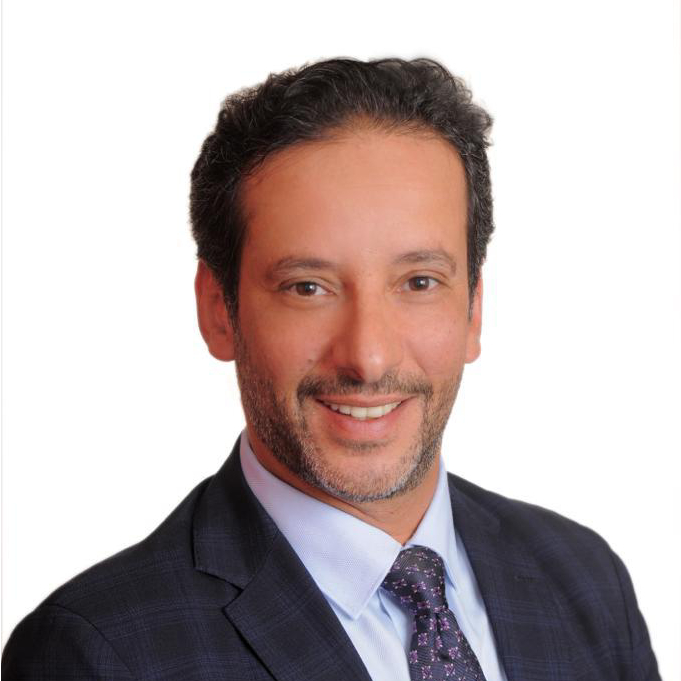
Mohamed Daoud, Founder & CEO, Growth Inc.
Information, measurement, and accountability
BTN: How necessary is credible knowledge and reporting in making certain EPR schemes ship actual environmental outcomes fairly than turning into field ticking workout routines?
Ziad Karam: “It’s important. With out credible knowledge and reporting, EPR dangers turning into a compliance train fairly than an environmental answer. Clear measurement permits accountability, improves system efficiency, and builds belief amongst authorities, {industry}, and shoppers. It additionally ensures that progress is evidence-based and that restoration outcomes might be validated.”
BTN: How can expertise and innovation enhance transparency, traceability, and confidence in recycling programs?
Mohamed Daoud: “Expertise strengthens governance by making restoration measurable. It permits end-to-end visibility, from assortment factors to sorting and verified recycling pathways. In our work, we use operational monitoring programs reminiscent of Discipline Eye to strengthen traceability and efficiency administration, supported by controls like GPS-tracked routes, location-based verification, and KPI reporting. The sort of transparency will increase confidence and permits for steady optimisation.”
BTN: What metrics ought to {industry} and authorities be watching most intently to evaluate whether or not the EPR Pilot is actually succeeding?
Ziad Karam: “Restoration charges in opposition to targets, materials high quality outcomes reminiscent of contamination, and verified recycling pathways. Additionally necessary are the integrity of reporting and the scalability of the mannequin past pilot situations.”
Mohamed Daoud: “Seize charge by channel, contamination charge, verified end-market affirmation, traceability protection, and cost-per-ton with transparency. These metrics display each environmental outcomes and system maturity.”
Shopper engagement and behavior change
BTN: Infrastructure alone isn’t sufficient. What function does client behaviour play within the success or failure of recycling programs, notably for glass?
Mohamed Daoud: “Behaviour is essential as a result of glass restoration will depend on clear separation at supply. Nonetheless, behaviour improves when programs are nicely designed: clear separation infrastructure, constant assortment, and visual suggestions on outcomes. In hospitality settings particularly, gentle incentives and efficiency reporting can reinforce right separation and enhance materials high quality, offered they’re tied to verified outcomes fairly than advertising and marketing claims.”
BTN: How can manufacturers with robust client belief affect higher disposal behaviours with out greenwashing or oversimplification?
Ziad Karam: “By speaking responsibly and transparently, specializing in sensible behaviours supported by actual programs, and reporting progress with credible proof. Model affect is only when it aligns with measurable outcomes and avoids oversimplified claims. Belief is maintained by accuracy, consistency, and accountability.”
BTN: What sensible steps can hospitality, journey, and tourism companies take right this moment to help higher waste separation and restoration?
Ziad Karam: “Hospitality companies can drive instant progress by institutionalising separation: clear back-of-house processes, workers coaching, and easy operational checks that maintain consistency. What additionally helps is linking participation to credible measurement, common reporting and verified restoration outcomes. In parallel, recognition mechanisms reminiscent of benchmarking or circularity rankings, tied to clear KPIs, can encourage venues to take care of requirements over time with out drifting into greenwashing.”
Mohamed Daoud: “Hospitality can act instantly by implementing a easy separation SOP, inserting bins the place operations truly occur, and dealing with companions who can present traceability and periodic KPI reporting. The place applicable, gentle incentive mechanisms and venue recognition, primarily based on verified efficiency, assist preserve groups engaged and enhance consistency. The bottom line is that rewards and rankings should be linked to measured restoration and materials high quality, not simply participation.”
The UAE and the way forward for round financial system
BTN: How does Diageo see the UAE’s sustainability ambitions aligning with world finest apply, and the place can the nation lead fairly than observe?
Ziad Karam: “The UAE is nicely positioned to guide by creating EPR programs which are performance-based, digitally enabled, and clear. The place the UAE can lead is in translating pilot learnings into scalable nationwide frameworks, setting a benchmark for governance, reporting, and public-private collaboration.”
BTN: Based mostly in your regional expertise, what would success for the UAE’s round financial system appear to be 5 to 10 years from now?
Mohamed Daoud: “Success means circularity is institutionalised: structured EPR programs throughout key supplies, excessive seize charges, verified recycling pathways, and clear reporting that builds confidence. It additionally means constructing an area round financial system, jobs, finish markets, and operational functionality, so restoration is sustainable, economically viable, and scalable long run.”
BTN: If this EPR Pilot succeeds, how transformative might or not it’s for waste administration coverage and personal sector accountability within the UAE?
Ziad Karam: “It could possibly be extremely transformative by establishing proof for coverage design and elevating the usual for accountability. It will display how producer accountability might be applied virtually and measured credibly, supporting nationwide coverage evolution and long-term system efficiency.”
Mohamed Daoud: “It will speed up the transition from fragmented efforts to system-led restoration. When accountability is measurable and outcomes are verified, the market aligns round efficiency. That shift can allow national-scale round infrastructure and a extra mature restoration ecosystem.”
BTN: What provides you essentially the most optimism about the way forward for sustainable waste administration within the area?
Ziad Karam: “The rising give attention to programs, accountability, and collaboration. We’re seeing elevated willingness to align round credible targets and clear reporting. That creates the muse for scalable change.”
Mohamed Daoud: “The transition from consciousness to implementation. When {industry} dedication, coverage route, and operational functionality are mixed with credible knowledge, circularity turns into one thing we will ship persistently and scale responsibly.”
BTN: And at last, for organisations attending the World Sustainable Journey & Hospitality Awards, what’s the single most necessary motion they will take after leaving Terra to speed up actual round impression?
Ziad Karam: “Decide to measurable motion: select a fabric stream, set a transparent goal, help credible restoration programs, and report progress transparently. Consistency and accountability flip momentum into impression.”
Mohamed Daoud: “Prioritise traceability and verified outcomes. Separation is necessary, however verification is what makes circularity credible. Work with programs that may display the place materials went and what was genuinely recovered and recycled.”
Discover out extra about Diageo, Growth Inc. and the opposite organisations redefining accountable journey within the Sustainability Particular Concern of Best in Travel.